
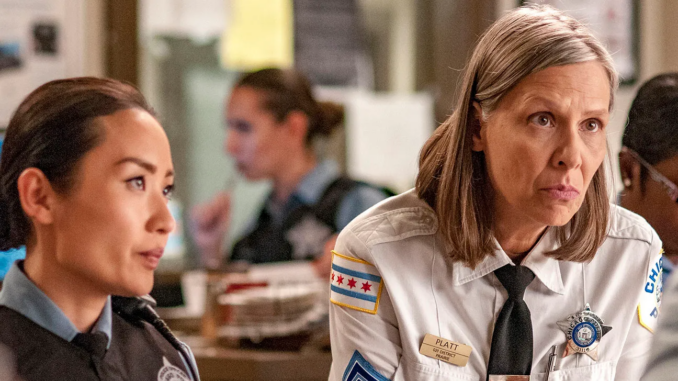
The heart of the One Chicago franchise has always been its ability to portray the city not just as a backdrop, but as a living, breathing character that binds the lives of heroes and civilians alike. Tonight, that bond is tested by a profound sense of grief as tragedy strikes the Windy City, weaving a narrative thread of loss that connects the 21st District and Gaffney Chicago Medical Center in an unforgettable and emotional episode. This crossover event transcends the typical procedural format, diving deep into the raw human experience of mourning while highlighting the unbreakable spirit of those who wear the uniform.
The story begins with a catastrophic event that shatters the calm of a typical Chicago afternoon. A high-stakes pursuit led by the Intelligence Unit goes horribly wrong, resulting in a devastating accident that leaves a beloved member of the community in critical condition. As the sirens wail and the smoke clears, the focus shifts rapidly from the gritty streets to the sterile, high-pressure environment of the Emergency Department. For the characters of Chicago P.D. and Chicago Med, the professional wall between them collapses instantly. They are no longer just colleagues or acquaintances who see each other at Molly’s Bar; they are a family united by a desperate hope for a miracle that seems increasingly unlikely.
At the center of this emotional whirlwind is Sergeant Hank Voight and the rest of the Intelligence team, who arrive at the hospital carrying the heavy burden of guilt and shock. Voight, a man usually defined by his iron will and stoic exterior, is seen in a rare moment of vulnerability. The weight of leadership is never heavier than when a member of the flock is hurt, and tonight, the audience sees a side of the Sergeant that reminds us why he fights so hard for his city. On the medical side, Dr. Will Halstead and his team are forced to balance their professional duties with their personal connections to the victims. The tension in the trauma bay is palpable as every monitor beep and whispered consultation carries the weight of a life hanging in the balance.
What makes this episode particularly poignant is how it handles the theme of shared loss. One Chicago excels at showing that when one department bleeds, the entire city feels the pain. As the medical team fights a losing battle against the clock, the officers outside the operating room are left to grapple with the reality of their dangerous professions. There are no grand speeches or dramatic outbursts; instead, the narrative relies on quiet, heavy moments of reflection. The silence in the waiting room speaks louder than any dialogue, capturing the collective breath of a city waiting for news it doesn’t want to hear.
The cinematography plays a crucial role in enhancing the emotional stakes. The camera moves from the chaotic, handheld energy of the crime scene to the slow, lingering shots of the hospital hallways, mirroring the transition from action to contemplation. The lighting, often cold and blue within the hospital, emphasizes the isolation felt by those waiting for updates. As the night unfolds and the inevitable tragedy occurs, the show avoids the trap of melodrama. Instead, it offers a grounded, respectful portrayal of grief that feels authentic to the characters we have grown to love over the years.
The aftermath of the loss serves as a catalyst for a profound shift in the dynamics of both teams. The investigation into the accident reveals a web of circumstances that force the characters to question their choices and the risks they take every day. It isn’t just about finding someone to blame; it is about finding a way to move forward in a world that suddenly feels much smaller and darker. The interaction between the P.D. and Med staff in the final acts of the episode provides a sense of solidarity that is the hallmark of the franchise. They share a bond forged in fire and tempered by tears, reminding viewers that even in the face of tragedy, no one in Chicago walks alone.
This episode is a masterclass in serialized storytelling, proving that the strength of One Chicago lies in its heart. By focusing on the emotional resonance of loss rather than just the mechanics of a crime or a surgery, the show connects with its audience on a visceral level. As the final scene fades to black, the tragedy serves as a somber reminder of the sacrifices made by first responders. It is a powerful, gut-wrenching hour of television that leaves a lasting impact, ensuring that this loss will be felt in the episodes to come. For fans of the series, tonight is a reminder that while justice and medicine are the pillars of the show, it is the love and loyalty between the characters that truly keeps the city of Chicago standing.