
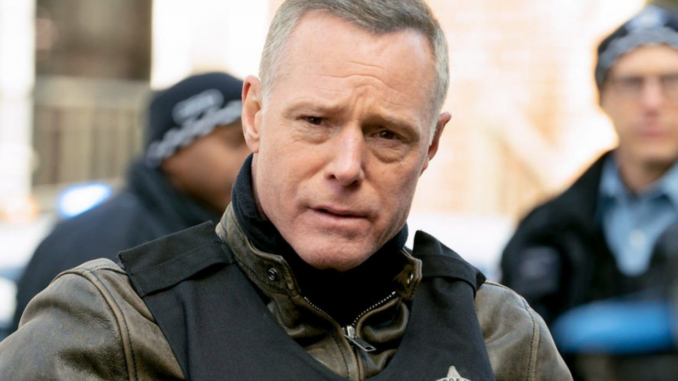
The architectural strength of the One Chicago universe has always relied on its pillars of leadership, but no pillar is as jagged, weathered, or formidable as Sergeant Hank Voight. As the commander of the Intelligence Unit on Chicago P.D., Jason Beghe’s portrayal of Voight has redefined the archetype of the television lawman. He is not just a character; he is a gravitational force. When Voight enters a room, the temperature of the scene drops, the stakes rise, and the audience leans in with a mixture of dread and fascination. This inherent intensity is not merely a product of his gravelly voice or his intimidating physical presence, but a result of the deep moral complexity and the unpredictable volatility he brings to every frame.
At the core of Voight’s intensity is the sheer unpredictability of his methods. In a franchise like One Chicago, where the heroes of Chicago Fire and Chicago Med generally operate within the clear boundaries of their respective oaths, Voight exists in a permanent gray area. He is a man who believes that the end almost always justifies the means, especially when the safety of the city or the sanctity of his unit is at stake. This creates a unique brand of tension for the viewer because we are never quite sure how far he is willing to go. Whether he is staring down a suspect in the infamous cages or navigating the treacherous political waters of the CPD brass, there is a constant sense that he is one step away from crossing a line from which there is no return.
Contents
The Power of the Unspoken Word
One of the most effective tools in Voight’s arsenal is his use of silence. Jason Beghe has mastered the art of the meaningful pause, often allowing a look or a slight shift in posture to communicate more than a page of dialogue ever could. In scenes where other characters might shout or express frantic energy, Voight remains a calm, chilling center. This stillness is terrifying because it suggests a mind that is constantly calculating and a heart that has become hardened by decades of urban warfare. His presence forces every other actor in the scene to elevate their performance; they are not just acting alongside him, they are reacting to a storm that is perpetually on the horizon.
This intensity is also deeply rooted in the “Stellaride-like” loyalty he demands and gives in return. While he can be a brutal taskmaster, his devotion to his team is absolute. This creates a high-pressure environment for characters like Jay Halstead, Hailey Upton, and Adam Ruzek. Every interaction with Voight feels like a test of character. When he offers advice, it feels like a warning; when he offers protection, it feels like a debt. This weight of expectation makes every scene in the bullpen or the locker room feel like a high-stakes negotiation for the soul of the unit.
A Mirror to the City’s Darker Side
Voight’s intensity serves as a necessary reflection of the grit and realism that defines Chicago P.D. Unlike more sanitized police procedurals, this show dives into the messy, often heartbreaking reality of crime in a major metropolis. Voight is the personification of that reality. He is the man who does the dirty work so that others don’t have to, and the cost of that burden is etched into every line on his face. When he is on screen, the show feels more urgent and more dangerous because he represents the thin, often blurred line between order and chaos. He is the only character who can walk into a room full of the city’s most dangerous criminals and command immediate, fearful respect without ever drawing his weapon.
The fan love for Voight stems from this uncompromising nature. Even when his actions are morally questionable, his intentions are rarely selfish. He loves Chicago with a ferocity that is both admirable and destructive. This singular focus gives his scenes an emotional weight that few other characters can match. Whether he is grieving the loss of Alvin Olinsky or fighting for the future of a victim who has been forgotten by the system, his passion is palpable. It is this emotional undercurrent, hidden beneath layers of cynicism and grit, that makes his presence so magnetic.
The Anchor of the One Chicago Legacy
As the One Chicago franchise continues to evolve, Hank Voight remains its most fascinating enigma. He is the anchor that keeps Chicago P.D. grounded in its unique identity as the darker, more visceral sibling of the group. Without him, the show might risk becoming just another police drama; with him, it is an exploration of power, sacrifice, and the heavy price of justice. His intensity is the engine that drives the narrative forward, ensuring that even after a decade on the air, the show never feels stagnant or safe.
Ultimately, Voight’s presence makes every scene more intense because he represents the ultimate stakes. He is a reminder that in the search for justice, something is always lost. As long as he is leading the Intelligence Unit, the streets of Chicago will remain a place where every decision matters and every action has a consequence. He is the shadow that defines the light, and the franchise is undeniably more compelling because of the dark, brilliant energy he brings to the screen.