
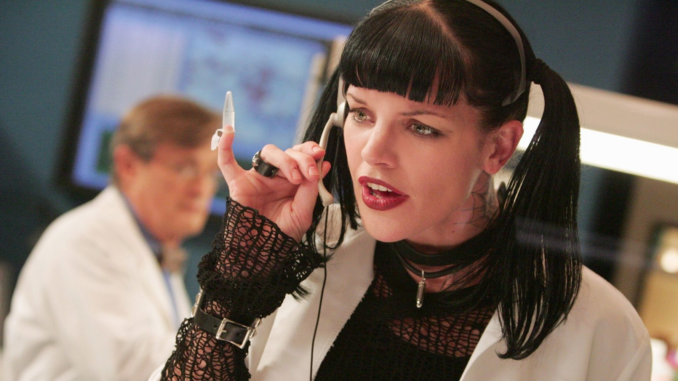
The longevity of a television institution like NCIS is often credited to its ability to create characters that defy archetypes, and perhaps no figure was more iconic than Abby Sciuto. Portrayed by Pauley Perrette for fifteen seasons, the gothic forensic scientist with a penchant for pigtails and high-caffeine sodas became a global symbol for the series. However, as the show moved through its second decade, a growing segment of the fanbase began to engage in a spirited debate: Was Abby a brilliant character who simply overstayed her narrative welcome, or did the qualities that made her great at first become less appealing as the show evolved?
In the early seasons of NCIS, Abby Sciuto was a breath of fresh air in the often-stale world of procedural dramas. She was the antithesis of the typical forensic technician. Her laboratory was a sanctuary of loud industrial music, stuffed hippos, and a wardrobe that challenged the conservative norms of a federal agency. This contrast was not just aesthetic; it was functional. Abby’s high energy and quirkiness provided a necessary counterbalance to the stoic, military-focused intensity of Leroy Jethro Gibbs. In those formative years, her genius was presented as something effortless and joyful, making science accessible and fun for a massive television audience. She was the heart of the team, the daughter figure to Gibbs, and the moral compass that kept the investigators grounded.
Contents
The Charm of the Early Years
The initial appeal of Abby lay in her unwavering optimism and her unique perspective on the world. She possessed an almost childlike wonder that made her interactions with the gritty reality of naval crimes feel poignant. During the first seven or eight seasons, her quirks felt like genuine personality traits that served the story. Her attachment to her equipment and her intense loyalty to her coworkers were charming because they felt rooted in a character who was truly a fish out of water in a bureaucratic world. For many viewers, Abby was the reason to tune in, providing the “NCIS” universe with a soul that separated it from the more clinical “CSI” franchise.
However, as the series entered its teen years, the narrative landscape of television began to shift toward more grounded and complex character studies. This is where the debate intensifies. Some fans argue that while the world around her grew up, Abby remained static. The pigtails, the tantrums when things went wrong, and the overly stylized dialogue that felt quirky in 2005 started to feel out of place in 2017. What was once seen as a endearing personality became, for some, a repetitive set of mannerisms that hindered the show’s attempts at more mature storytelling.
The Evolution of the Fan Perspective
The shift in Abby’s appeal often correlates with the departure of other original cast members. When characters like Ziva David or Tony DiNozzo left, the dynamics in the bullpen changed, requiring the remaining characters to shoulder more of the dramatic weight. Critics of Abby’s later seasons suggest that her character was unable to transition into a more senior, seasoned version of herself. While Timothy McGee evolved from a bumbling rookie into a confident father and senior agent, Abby’s character arc seemed to loop. The “Caf-Pow” jokes and the overly dramatic displays of affection began to feel like a performance rather than a character trait, leading to the perception that the writers were leaning too heavily on a caricature of what she used to be.
Furthermore, the behind-the-scenes tensions that eventually led to Perrette’s departure cast a shadow over her final years on the show. Fans who were once captivated by the “Gibbs and Abby” bond noticed the lack of shared screen time between the two leads, which made her interactions feel isolated from the rest of the team. This isolation exacerbated the feeling that Abby was no longer an integral part of the investigative machine, but rather a separate entity whose segments were designed solely to fulfill a quota of “Abby-isms.”
A Lasting Legacy Despite the Debate
Despite these criticisms, it is impossible to deny the cultural impact Abby Sciuto had on a generation of viewers. For every fan who found her later seasons less appealing, there are ten others who saw her as a consistent source of comfort in a show that was constantly changing. She inspired countless young women to pursue careers in forensic science and STEM, proving that you didn’t have to fit a specific mold to be the smartest person in the room. Her departure was one of the most-watched events in the show’s history, proving that even with the debate, she remained a titan of the franchise.
Ultimately, the question of whether Abby became less appealing is a matter of personal taste versus a desire for character progression. For those who value consistency and a “comfort watch,” Abby was a beacon of stability. For those who prefer their characters to age and change with the times, her later years were a missed opportunity for growth. Regardless of which side of the debate you fall on, Abby Sciuto remains the most recognizable face of the NCIS legacy, a character who burned brightly and left an indelible mark on the history of the small screen.