
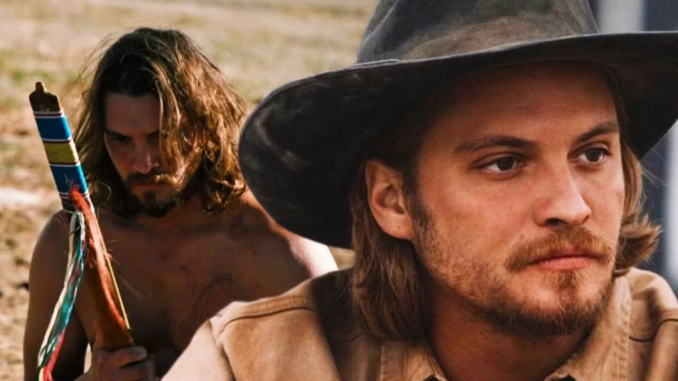
The sweeping landscapes of Montana in Yellowstone have always served as more than just a backdrop for ranching disputes; they are a character steeped in mysticism, ancient heritage, and a harsh, unforgiving reality. While the show is often defined by the corporate warfare of Beth Dutton or the iron-fisted leadership of John Dutton, the spiritual heartbeat of the series has consistently resided with Kayce. As a man walking between two worlds—the modern ranching empire of his father and the indigenous culture of his wife, Monica—Kayce has endured a physical and psychological journey unlike any other. However, nothing in his past prepared fans for the chilling aftermath of his ritualistic vision quest, leading many to ask if the subsequent tragedies were mere coincidences or a direct, supernatural warning he failed to fully decode.
The vision quest, a grueling multi-day ritual of isolation and fasting, was designed to give Kayce clarity about his path. In those hazy, fever-dream moments at the end of the fourth season, Kayce was confronted by figures from his past and a mysterious woman in white who showed him two distinct paths. His cryptic remark to Monica afterward—that he saw the end of them—sent shivers through the audience. At the time, viewers debated whether this meant the end of their marriage, the end of the Dutton legacy, or perhaps something more literal and fatal. The tragedy that followed in the opening of the fifth season provided a devastating answer, as a horrific car accident led to the loss of their unborn child, John. This event wasn’t just a plot twist; it was a visceral manifestation of the darkness Kayce had glimpsed in the wilderness.
Analyzing the connection between the vision and the accident reveals a deep thematic layer in Taylor Sheridan’s writing. In the world of Yellowstone, the land speaks to those who are willing to listen, but its messages are rarely easy to swallow. Kayce’s vision functioned as a spiritual red alert. By showing him two paths, the universe was essentially warning him that the life he was trying to lead—one where he could be both a high-ranking official for the ranch and a peaceful family man—was an impossibility. The tragedy that followed suggested that as long as Kayce remained tethered to the violence and the blood-soaked soil of the Yellowstone ranch, his personal happiness would always be the collateral damage. It wasn’t just a coincidence; it was a cosmic price tag for the Dutton name.
The emotional fallout for Kayce has been transformative. Luke Grimes has masterfully portrayed a man who is increasingly hollowed out by his own foresight. There is a specific kind of agony in suspecting that a tragedy was coming and being unable to stop it. This sense of “fated sorrow” has pushed Kayce further away from the ranching business and deeper into a state of quiet, mournful reflection. He is a soldier who knows the war is lost before the final battle has even begun. This shift has also strained his relationship with his father. John Dutton views the ranch as a sanctuary, but for Kayce, the vision revealed that the ranch is actually a predator that eventually consumes everything its inhabitants hold dear.
Furthermore, the tragedy served as a turning point for Monica’s character and her perception of the Dutton legacy. For years, she tried to protect Tate and Kayce from the darkness of the Big Sky country, but the vision and the loss of her baby proved that no amount of distance can truly insulate them from the “Dutton Curse.” The coincidence of the timing—the vision quest ending just as the pregnancy reached a critical stage—suggests a supernatural synchronicity. It implies that Kayce’s spiritual journey didn’t just predict the future; it may have inadvertently opened a door to the very shadows he was trying to understand.
As we look toward the final chapters of the Yellowstone saga, the weight of Kayce’s vision continues to loom over every decision he makes. He is a man waiting for the other shoe to drop. If the first tragedy was the “end of them” in a physical, familial sense, the fans are left wondering if the second path leads to a final, total dissolution of the family unit. The warning was clear: you cannot walk in the light while your feet are planted in the blood of the past. Kayce’s journey has become a cautionary tale about the high cost of legacy and the danger of seeking answers from a land that has seen too much death.
Ultimately, whether you believe the events were a supernatural warning or a tragic series of coincidences, the impact on the show’s narrative is undeniable. It stripped away the last remnants of hope for a simple, peaceful resolution for the youngest Dutton son. Kayce remains a figure of profound tragedy, a man who saw the end coming and has to live through it one painful day at a time. As the final episodes approach, we are left to wonder if he can find a third path—one that leads away from the vision and toward a redemption that doesn’t require further sacrifice.