
Contents
- The Unstoppable Rise of a Cultural Phenomenon
- Typecasting: The Double-Edged Sword of Success
- Comedy Fame vs. Dramatic Opportunities
- The Changing Television Landscape
- Personal Choices and Changing Priorities
- The Burden of Iconic Roles
- A Lasting Legacy Despite the Struggles
- Conclusion: The Hidden Cost of Stardom
The Unstoppable Rise of a Cultural Phenomenon
When The Beverly Hillbillies premiered in 1962, it quickly became one of the most successful sitcoms in television history. The show’s fish-out-of-water premise—following a rural family who suddenly becomes wealthy and moves to Beverly Hills—captured audiences with its humor, charm, and memorable characters. Week after week, millions tuned in to watch the Clampetts navigate high society with homespun wisdom and comedic innocence.
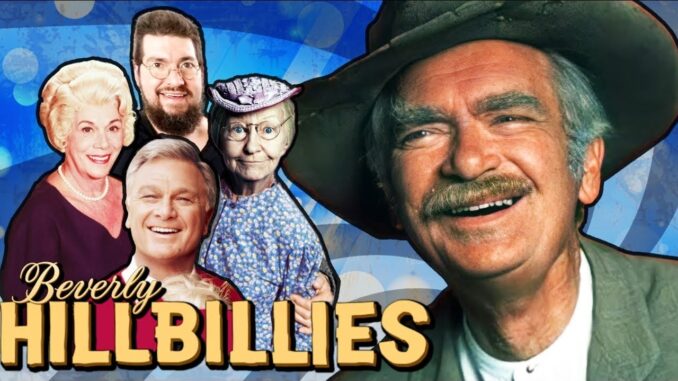
At its peak, the show dominated ratings, turning its cast into household names. Actors like Buddy Ebsen, Irene Ryan, Donna Douglas, and Max Baer Jr. became instantly recognizable across America. Yet, despite this massive fame, many of them would later face an unexpected challenge: finding meaningful work after the show ended.
Typecasting: The Double-Edged Sword of Success
One of the biggest reasons behind the cast’s struggles was typecasting. The characters in The Beverly Hillbillies were so iconic and exaggerated that audiences—and casting directors—found it difficult to separate the actors from their roles.
For example, Buddy Ebsen’s portrayal of Jed Clampett was so definitive that it overshadowed his versatility as an actor. Despite having a long career before the show, including work in film and television, he found it difficult to escape the shadow of the wise, folksy patriarch. While he eventually found success again with Barnaby Jones, the transition was neither immediate nor easy.
Similarly, Donna Douglas became forever associated with Elly May Clampett, the sweet, animal-loving country girl. Her image was so deeply ingrained in pop culture that producers struggled to envision her in roles that required a different persona. As a result, her acting opportunities dwindled significantly after the series ended.
Comedy Fame vs. Dramatic Opportunities
Another factor that contributed to the cast’s struggles was the industry’s tendency to pigeonhole comedic actors. In Hollywood, transitioning from a beloved sitcom role to more serious or varied parts has historically been difficult.
Irene Ryan, who played the fiery Granny, was a seasoned performer with a background in vaudeville and radio. Despite her talent, her strong association with the sharp-tongued matriarch made it challenging for her to secure roles that showcased her broader abilities. She did find critical acclaim on stage later in life, earning a Tony nomination for Pippin, but her television career never quite regained the same momentum.
Max Baer Jr., who portrayed the dim-witted yet lovable Jethro, perhaps faced the steepest uphill battle. His character’s comedic simplicity became both his greatest asset and his biggest limitation. Casting directors often saw him as “Jethro” rather than as a capable actor, which severely limited his opportunities in Hollywood.
The Changing Television Landscape
The end of The Beverly Hillbillies in 1971 coincided with a major shift in American television. Networks began moving away from rural-themed sitcoms—a trend often referred to as the “rural purge.” Shows that once thrived on simple, family-oriented humor were suddenly deemed outdated as audiences’ tastes evolved toward more urban, socially conscious programming.
This shift made it even harder for the cast to find roles. Not only were they typecast, but the very style of storytelling they were associated with was falling out of favor. Producers were looking for fresh faces and modern narratives, leaving many veteran sitcom actors behind.
Personal Choices and Changing Priorities
For some cast members, the struggle to find work wasn’t solely due to industry limitations—it also involved personal decisions. Donna Douglas, for instance, chose to step away from Hollywood to focus on her faith and family. She later became involved in gospel music and motivational speaking, carving out a different kind of public presence.
Max Baer Jr. took a different path, exploring opportunities behind the camera. He worked as a writer, producer, and director, including the film Macon County Line, which became a surprising success. However, his acting career never fully recovered from the shadow of Jethro.
Buddy Ebsen, on the other hand, demonstrated resilience by reinventing himself later in life. His success with Barnaby Jones proved that it was possible—though difficult—to break free from typecasting with persistence and the right opportunity.
The Burden of Iconic Roles
There’s a certain irony in the legacy of The Beverly Hillbillies. The very elements that made the show a massive success—its distinctive characters, exaggerated humor, and cultural impact—also contributed to the long-term challenges faced by its cast.
When actors become too closely identified with a single role, it can limit their artistic freedom. Audiences often resist seeing them in a different light, and casting directors may hesitate to take risks. This phenomenon isn’t unique to The Beverly Hillbillies, but the show serves as one of the most striking examples of how fame can come with hidden costs.
A Lasting Legacy Despite the Struggles
Despite these challenges, the cast’s contributions to television history remain undeniable. The Beverly Hillbillies continues to be celebrated for its humor, cultural significance, and enduring appeal. The characters created by Ebsen, Ryan, Douglas, and Baer have become timeless icons, remembered by generations of viewers.
In many ways, their struggles highlight a broader truth about the entertainment industry: success in one role does not always translate into long-term career stability. Fame can open doors, but it can also quietly close others.
Conclusion: The Hidden Cost of Stardom
The story of The Beverly Hillbillies cast is a reminder that fame is rarely as simple as it appears. While the show brought immense popularity and recognition, it also created barriers that were difficult to overcome.
For actors like Buddy Ebsen, Irene Ryan, Donna Douglas, and Max Baer Jr., their time on the show was both a career-defining achievement and a limiting label. Their experiences reveal the complex reality of Hollywood, where success can sometimes come at the cost of future opportunity.
In the end, their legacy isn’t defined by the roles they couldn’t get—but by the unforgettable characters they brought to life, characters that continue to make audiences laugh decades later.