
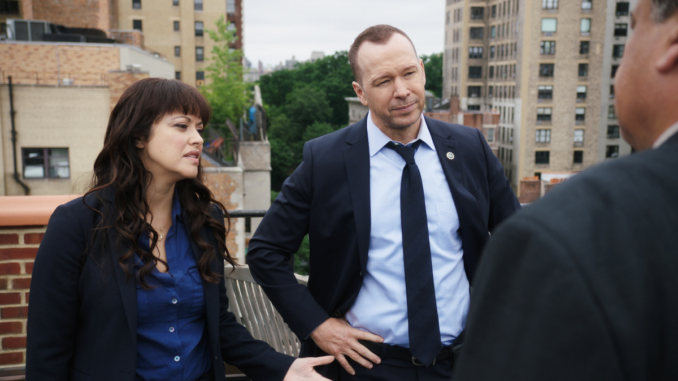
The long-running success of the police drama Blue Bloods is often credited to its portrayal of the law as a noble, albeit difficult, profession. However, beneath the polished surface of the Reagan family Sunday dinners lies a much grittier reality that the show has never been afraid to explore. One of the most recurring and chilling themes in the series is the concept that in the underworld of New York City, information is the deadliest currency. Throughout its fourteen seasons, the show has delivered a dark, consistent warning to those caught between the police and the street: snitches pay the ultimate price. This brutal reality serves as a constant hurdle for Danny Reagan and his colleagues, reminding the audience that justice often comes at a staggering human cost.
In the world of Blue Bloods, the code of silence is not just a trope but a survival mechanism. For Detective Danny Reagan, played with a relentless edge by Donnie Wahlberg, the struggle to find witnesses is the central conflict of his career. The show expertly depicts the heartbreaking dilemma faced by ordinary citizens who live in gang-controlled territories. These individuals are often faced with a choice that offers no winning outcome: cooperate with the NYPD to clean up their neighborhood and risk a violent reprisal, or remain silent and allow the cycle of crime to continue. The writers frequently highlight that for many, the fear of the street is much more immediate and terrifying than the fear of the law.
Contents
The High Cost of Cooperation
The narrative often leans into the tragedy of the informant, a character archetype that Blue Bloods treats with a surprising amount of empathy. We have seen numerous storylines where a well-meaning citizen or a low-level criminal looking for a way out decides to wear a wire or provide a tip to the Reagans. These characters are rarely portrayed as villains; instead, they are shown as desperate people trying to do the right thing or save their families. When these individuals are inevitably discovered by the criminal organizations they betrayed, the show does not pull its punches. The ultimate price is often paid in blood, leaving the detectives—and the viewers—to grapple with the guilt of having encouraged someone to risk everything for a case.
This dark warning creates a persistent tension in the relationship between the police and the community. Even the most idealistic Reagan, Jamie, has had to confront the reality that his badge cannot always protect someone once the squad cars leave the block. The show highlights a fundamental flaw in the justice system: the police need information to make arrests, but they are often unable to provide the 24/7 protection required to keep informants safe. This creates a culture of “no snitching” that is born out of a very real and justified fear of mortality.
The Moral Weight on the Reagan Family
The impact of this reality is felt most acutely at the Commissioner’s level. Frank Reagan, portrayed by Tom Selleck, often has to weigh the success of a major takedown against the safety of the civilians involved. In the hallowed halls of One Police Plaza, the “ultimate price” paid by informants is often discussed as a statistical tragedy, but Frank never lets his team forget the human faces behind those numbers. He understands that every time a witness is killed, the trust between the NYPD and the public is set back by years. It is a recurring theme that the police are only as effective as the information they receive, and when that information leads to a death sentence, the system is failing its most vulnerable participants.
Danny Reagan’s arc is particularly shaped by this dark warning. We see him become increasingly protective, and at times aggressive, in his attempts to hide his sources. His frustration often stems from the knowledge that once a person’s identity as a “snitch” is out, their life as they know it is over. Whether it is moving them into a witness protection program that strips them of their past or finding them dead in an alleyway, the outcome is rarely a happy ending. This adds a layer of cynicism to Danny’s character, as he realizes that the “win” of a conviction is frequently tarnished by the loss of a life.
A Reflection of Urban Reality
Blue Bloods remains a powerhouse of the procedural genre because it refuses to sanitize the dangers of the street. By focusing on the grim fate of those who talk, the show pays respect to the real-world complexities of urban policing. It acknowledges that the streets have their own set of laws, often swifter and more brutal than anything found in a courtroom. The dark warning that snitches pay the ultimate price is not just a plot device to create drama; it is a sobering reflection of the barriers to justice in modern society.
As the series moves toward its conclusion, this theme serves as a reminder of the sacrifices made in the name of law and order. The Reagan family may represent the best of the system, but the show is honest enough to admit that the system cannot save everyone. The silence of the streets is a testament to the power of fear, and the bravery of those who choose to speak despite the dark warning is perhaps the truest form of heroism depicted in the series. The ultimate price is a heavy burden, one that the Reagans carry in every case they close.