The architectural strength of the One Chicago universe is often found in the moral friction between doing what is legal and doing what is right. While Sergeant Hank Voight represents the shadow side of justice, Detective Jay Halstead served for a decade as the show’s moral North Star. However, as we move through the 2026 television season and fans revisit the legacy of the 21st District, a specific narrative arc remains a primary driver for recommendations: the period when the weight of the badge became an unbearable burden for Halstead. Portrayed with a soulful, simmering intensity by Jesse Lee Soffer, Jay Halstead’s hardest struggle was not against a criminal mastermind, but against the slow erosion of his own soul within the gray walls of the Intelligence Unit.
For years, Halstead was the “Stellaride-like” anchor of the team, a man whose military background gave him a rigid sense of duty and a clear vision of the line between hero and villain. But in the later seasons of Chicago P.D., that line began to blur. The burden of duty became a weight when Jay found himself increasingly complicit in Voight’s off-book tactics. The struggle reached its zenith when he realized he was no longer the man who kept Voight in check, but rather the man who was being reshaped by Voight’s darkness. This internal conflict is a masterclass in character study, showing how a “Probie-like” idealism can be crushed by the repetitive trauma and ethical compromises of urban policing.
Contents
The Breaking Point of a Moral Icon
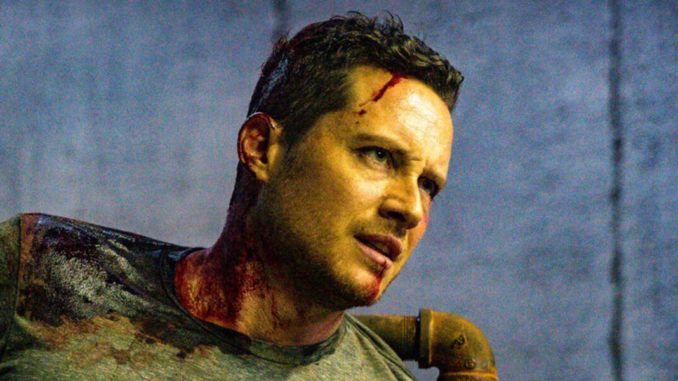
What made this struggle so visceral for the audience was the way it affected Halstead’s physical and mental state. We saw a shift in Soffer’s performance—the steady gaze of a sniper was replaced by the hollowed-out look of a man who couldn’t recognize himself in the mirror. The burden of duty became a cage when he was forced to choose between his loyalty to the unit and his loyalty to the law. In a standout episode that remains a cornerstone of 2026 digital discussions, Jay’s involvement in a cover-up led to a psychological breaking point. He realized that to save his career, he had lost his character. This realization is why the show is so highly recommendable; it doesn’t offer a clean, heroic resolution. Instead, it shows a good man admitting that he is broken by a system that demands too much.
This arc also put a tremendous strain on his relationship with Hailey Upton. Their partnership, which had evolved into a marriage, became a mirror for his own decline. Seeing a couple that fans had rooted for struggle under the weight of professional secrets provided the show with its most grounded emotional stakes. The technical execution of these scenes relied on a gritty, noir-inspired realism, with the cold Chicago winters acting as a metaphor for the freezing of Halstead’s conscience. This era of the show proved that the hardest cases aren’t the ones on the street, but the ones we bring home at night.
Why Moral Struggles Drive Global Engagement
The reason why Halstead’s burden continues to resonate with a global audience in 2026 is that it addresses the universal theme of burnout and ethical exhaustion. In an era where viewers are looking for more than just a “catch-of-the-week” procedural, Chicago P.D. offers a sophisticated look at the cost of the crown. For fans of the complex legacy of the Duttons in Yellowstone or the generational weight of the Reagans in Blue Bloods, Jay’s struggle offers a modern, urban parallel. It validates the idea that even the strongest individuals have a limit to how much darkness they can absorb before they lose their light.
Furthermore, Halstead’s decision to eventually step away from the force to find himself again in a different kind of service was a revolutionary moment for the franchise. It broke the trope that a detective must stay until they retire or die. By allowing Jay to acknowledge that his duty had become a burden he could no longer carry, the writers gave the character a sense of agency and dignity. This narrative choice has kept the show relevant in 2026, as it sparks ongoing debates about mental health in high-pressure professions and the importance of knowing when to walk away.
A Legacy of Integrity and Sacrifice
Ultimately, Jay Halstead’s hardest struggle is a testament to the power of the One Chicago legacy. He taught us that the badge is not just a piece of tin; it is a promise that must be renewed every day, often at a high personal cost. As the sirens continue to wail through the streets of Chicago and new officers join the Intelligence Unit, the shadow of Halstead’s integrity remains a guiding light. He was the hero who was brave enough to admit he was losing the fight against his own cynicism.
As we look back at his ten-year journey, the image of Jay Halstead handing in his badge remains a symbol of the show’s enduring heart. It was a story of a man who chose his soul over his career, a theme that remains as powerful and recommendable today as it was when it first aired. The duty was a burden, the struggle was real, but in the end, Jay Halstead earned the right to find peace on his own terms.