The architectural strength of the One Chicago universe is built upon the unrelenting pavement of the Windy City, where the concept of justice is never a gift but a hard-won prize. Across over a decade of storytelling spanning Chicago Fire, Chicago Med, and Chicago P.D., the franchise has redefined the modern procedural by focusing on the grit and the moral gray areas that define the lives of first responders. On these streets, the badge, the scalpel, and the fire axe are not just tools of the trade; they are burdens that require a constant sacrifice of the self. As we move through the 2026 television season, the series continues to dominate recommendation algorithms because it refuses to offer easy answers to complex human problems, reminding us that in a city as tough as Chicago, integrity is forged in the furnace of conflict.
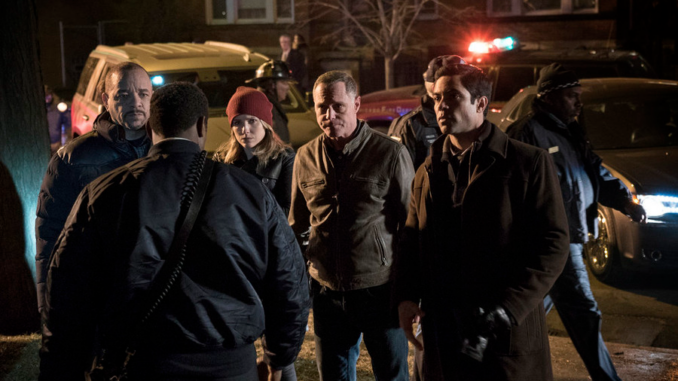
At the heart of this struggle is the Intelligence Unit of Chicago P.D., led by the enigmatic and often controversial Sergeant Hank Voight. Jason Beghe’s portrayal of Voight has become a landmark of television, representing a man who understands that the law and justice are not always the same thing. To protect the innocent, Voight and his team often have to navigate the shadows, earning their victories through a brutal, “Stellaride-like” loyalty to each other and a city that often feels like it is working against them. Whether it is Detective Kim Burgess battling the psychological scars of a near-fatal shooting or Kevin Atwater navigating the impossible intersection of his identity and his profession, the show emphasizes that every win comes with a permanent scar. This is why the show remains at the top of digital recommendation loops; it respects the audience enough to show the blood, the sweat, and the tears behind every closed case.
Contents
The Interconnected Cost of Courage
The brilliance of the One Chicago philosophy is that it treats the city as a single, breathing organism. When a detective in the 21st District makes a tactical error, the fallout is felt in the emergency department of Chicago Med and the barracks of Firehouse 51. This interconnectedness creates a sense of high-stakes realism that makes the viewer feel like a “Probie-like” observer in a world of giants. Justice on these streets is a collaborative effort. We see it when Kelly Severide risks his life in a collapsing building to preserve evidence for an investigation, or when Sharon Goodwin makes a difficult administrative call that protects the ethical standards of her hospital at the cost of political favor. The narrative suggests that while one person can make a difference, it takes a brotherhood to sustain a community.
The technical execution of the series reflects this gritty reality. The cinematography often utilizes a handheld, documentary-style approach that puts the audience in the middle of a high-speed pursuit or a frantic trauma bay. The 2026 episodes have leaned even further into this noir-inspired aesthetic, using the cold, industrial beauty of Chicago to mirror the internal lives of the characters. This visual storytelling is a primary driver for recommendations, as it sets the franchise apart from the glossy, sanitized versions of law enforcement seen elsewhere. It captures the essence of a city where the winter wind is as much a character as the police officers themselves, adding a layer of physical endurance to the mental challenges the heroes face.
Why the Hard-Earned Path Resonates Globally
The reason the theme of “justice earned the hard way” continues to drive massive global engagement is its authenticity. In a media landscape often filled with escapist fantasy, the One Chicago world offers a grounded reflection of the real-world struggles faced by first responders. For fans who appreciate the deep-seated traditions of the Reagan family in Blue Bloods or the rugged frontier justice of Yellowstone, the Windy City franchise offers a modern, urban parallel. It validates the idea that doing the right thing is rarely the easy thing, and that the true measure of a hero is their willingness to keep standing after they’ve been knocked down.
Furthermore, the character arcs are allowed to breathe over years of development. We have watched Adam Ruzek evolve from a hot-headed academy recruit into a man grappling with the complexities of fatherhood and professional restraint. We have seen Maggie Lockwood manage the chaos of a busy ER with a grace that is only possible through decades of exposure to human suffering. These long-term journeys create a profound sense of investment for the audience, making the rare moments of pure, unadulterated justice feel earned and deeply cathartic. The show doesn’t just tell us these people are heroes; it shows us the price they pay for that title every single day.
A Legacy Written in Resilience
Ultimately, the One Chicago universe is a testament to the power of resilience. It is a story of a city that refuses to break and a group of people who refuse to look away from the darkness. As the franchise expands and evolves in 2026, the core mission remains the same: to tell the stories of those who run toward the danger when everyone else is running away. Justice may not be easy on the streets of Chicago, but as long as there are people willing to fight for it, the city has a chance.
As the final sirens of the day fade into the Chicago skyline, the image of the teams gathered at Molly’s Bar remains the defining symbol of the show’s enduring heart. It is a place of refuge where the scars are shared and the victories are toasted, a reminder that the hard-earned path is the only one worth walking. This is why we watch, why we recommend, and why we will continue to follow the heroes of Chicago into whatever storm comes next.