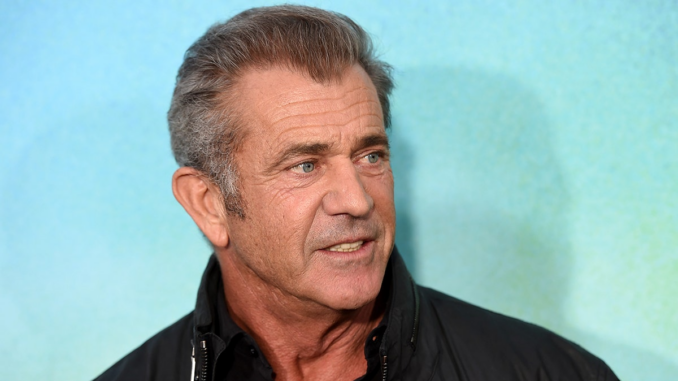
The landscape of modern television was forever changed when Yellowstone re-popularized the Western genre, but the latest rumors surrounding the expansion of the Taylor Sheridan universe have sent shockwaves through the industry. The potential involvement of Mel Gibson in a future iteration or spinoff of the Dutton saga has acted like a moth to the flame for the fanbase. Despite the controversies that have trailed the actor over the decades, there is an undeniable, magnetic pull between Gibson’s cinematic intensity and the rugged, unforgiving world of Montana. As the franchise looks toward a future beyond the original series, the sentiment among a significant portion of the audience is surprisingly clear: if Mel Gibson enters this world, fans do not want him to leave.
The fascination with Gibson joining the Yellowstone universe stems from his historical mastery of the Western and historical epic genres. From his gritty directorial work to his iconic roles in films that emphasize honor, land, and the brutal cost of freedom, he possesses the specific brand of weathered masculinity that the show demands. In the world of the Duttons, characters are defined by their scars and their stubborn refusal to yield to the modern world. Gibson, with his piercing gaze and gravelly delivery, fits this archetype perfectly. For many viewers, he is one of the few actors who could fill the massive void left by the shifting cast dynamics of the flagship series, bringing a level of gravitas that feels authentic rather than manufactured.
Contents
The Perfect Archetype for a Neo-Western Titan
A primary reason fans are so captivated by the idea of Gibson in this universe is the potential for a character that mirrors the complexity of John Dutton but with a darker, more unpredictable edge. Yellowstone has always thrived on the tension between being a hero and a villain, and Gibson has made a career out of playing men who operate in that moral gray area. Whether he were to play a rival rancher, a high-stakes land developer with a hidden past, or even an ancestor in a prequel setting, the potential for high-octane drama is immense. Fans argue that his presence would heighten the stakes, as he brings a natural unpredictability to every scene he occupies.
The “moth to the flame” analogy also applies to the creative synergy between Gibson and Taylor Sheridan. Both creators share a fascination with the American frontier, the concept of masculinity in crisis, and the violent cycles of history. A collaboration between Sheridan’s sharp, poetic dialogue and Gibson’s visceral acting style feels like a match made in cinematic heaven. For the audience, the prospect of seeing Gibson navigate a Sheridan-penned monologue while overlooking a valley he intends to conquer is the kind of prestige television that keeps the franchise at the top of the cultural conversation.
A New Chapter for the Franchise
As the main series approaches its conclusion, the Yellowstone brand is at a crossroads. The success of prequels like 1883 and 1923 proved that the audience is hungry for more stories about the land, regardless of the era. The introduction of a talent like Mel Gibson would signal that the franchise is moving into a new phase of cinematic ambition. Fans don’t just want a cameo; they want a multi-season commitment that allows a character to be fully deconstructed. They want to see the toll that the Montana wilderness takes on a man of Gibson’s intensity. The consensus is that his involvement shouldn’t be a brief flash in the pan but a foundational pillar for the next decade of stories.
There is also a sense of redemption and homecoming in this fan desire. The Western has always been a genre about second chances and finding peace through hard work and sacrifice. Seeing an industry veteran like Gibson return to the genre that defined so much of his early success feels poetic to the viewers who have followed his career. In the high-altitude world of Yellowstone, where the air is thin and the morals are thinner, Gibson’s brand of storytelling finds its natural home. The fans aren’t just looking for a celebrity; they are looking for a performance that resonates with the grit of the earth.
The Impact on the Yellowstone Legacy
Ultimately, the debate surrounding Mel Gibson and Yellowstone highlights the show’s unique ability to stay relevant by courting the biggest names in Hollywood. It reinforces the idea that the ranch is a stage for the greatest dramas of our time. While some may worry about the baggage such a casting brings, the core viewership remains focused on the screen, wanting the most immersive and powerful experience possible. The demand for him to stay, rather than just pass through, is a testament to the belief that he could provide the narrative spark needed to keep the flame of the franchise burning for years to come.
As the rumors continue to swirl and the future of the Dutton legacy takes shape, the shadow of a potential Gibson character looms large. It is a testament to the power of the Western that it can still attract such titanic figures. If the flame is the world of Yellowstone, then Mel Gibson is the moth that fans hope will never fly away, but instead, become a permanent part of the fire that defines the American West on television.