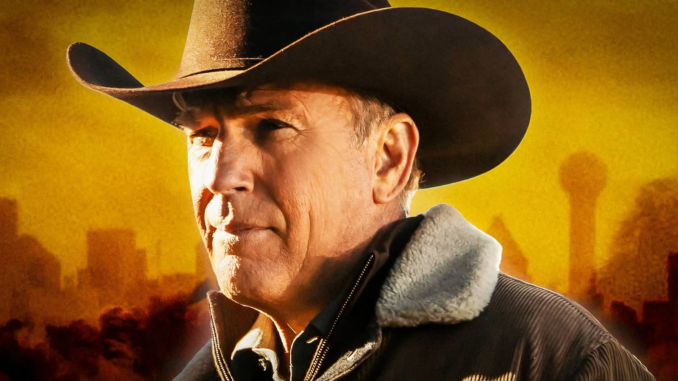
The skyrocketing success of Yellowstone has always been inextricably linked to the towering presence of Kevin Costner’s John Dutton. As the patriarch of the Dutton family and the defender of the largest contiguous ranch in the United States, John has been the sun around which every other character orbits. However, with the widely publicized behind-the-scenes tensions and Costner’s eventual departure from the series, the show faced a monumental narrative crisis. While the most obvious solution for a gritty neo-western is to kill off the lead character in a blaze of glory or a tragic betrayal, a growing segment of the fanbase has begun to pitch a much bolder, more sophisticated alternative. The question is no longer just how the show ends, but whether Yellowstone can continue to thrive by sidelining John Dutton rather than burying him.
The central argument for keeping John Dutton alive, even in his absence, is rooted in the preservation of the show’s mythos. In the world created by Taylor Sheridan, John Dutton isn’t just a man; he is an institution. Fans suggest that a permanent off-screen exit—such as a long-term medical recovery, a self-imposed exile to the 6666 ranch, or a strategic political retreat—would allow the remaining characters to continue fighting in his name without the finality of a funeral. By keeping him alive, the writers maintain the shadow he casts over the ranch, allowing the weight of his legacy to continue driving the actions of Beth, Kayce, and Rip Wheeler. This approach preserves the possibility of a future cameo or a series finale return, keeping the hope of a true family reunion alive for the viewers.
Contents
Shifting the Power Dynamic to the Next Generation
A bold alternative to the death of the patriarch involves the radical acceleration of the succession plot. For four and a half seasons, we have watched the Dutton children struggle under their father’s thumb. Fans argue that the most compelling way to continue Yellowstone without Costner is to force the siblings to finally operate without their father’s immediate guidance. If John Dutton is incapacitated or legally barred from the ranch, the power struggle between Beth and Jamie becomes even more volatile. Without John there to act as the ultimate judge and jury, their civil war can reach its natural, destructive conclusion. This shift would transform the show from a story about a man protecting his legacy into a story about a family trying to survive the vacuum left by a titan.
Kayce Dutton’s arc would also benefit significantly from this alternative. For years, Kayce has been torn between his loyalty to his father and his commitment to his own family. If John is removed from the equation but remains alive, Kayce is forced to decide if he will step up as the new King of Yellowstone by choice, rather than by inheritance through death. This creates a much more nuanced character study, moving away from the predictable tragedy of a son mourning a father and toward the complex reality of a man choosing his own path while the architect of his old life is still watching from afar.
The Rip Wheeler Factor and the Soul of the Ranch
Perhaps the most persuasive reason to avoid killing John Dutton lies with Rip Wheeler. Rip’s loyalty to John is the emotional heartbeat of the series. If John is murdered, Rip’s path is limited to a singular, violent mission of revenge. While that makes for exciting television, it is a storyline we have seen many times before. A bolder alternative would see Rip tasked with managing the ranch under John’s distant orders, or perhaps even protecting John in a secret location. This keeps Rip’s character grounded in his duty and provides a more complex emotional landscape for Cole Hauser to explore. It allows the ranch to remain a place of work and struggle, rather than just a setting for a vendetta.
Furthermore, the political landscape of Montana in the show provides a perfect avenue for an off-screen continuation. John Dutton’s role as Governor could lead to a narrative where he is caught in a legal or political quagmire in Washington D.C. or a remote part of the state, keeping him out of the daily ranch operations but still very much a player in the grand scheme of the state’s future. This maintains the high stakes of the land-grab plot while allowing the show to focus on the technical and tactical brilliance of the younger Duttons as they fend off Market Equities and other predators.
A Legacy That Doesn’t Need a Grave
Ultimately, the fan pitch for a Costner-less Yellowstone that keeps John Dutton alive is about respecting the audience’s investment in the character. Death is often the easy way out in television writing, but the survival of a character in the face of an actor’s exit requires real creativity. By choosing a path of exile or incapacitation, the showrunners could prove that the ranch itself is the true protagonist of the story. It would demonstrate that the values John Dutton fought for—tradition, land, and family—are strong enough to endure even when the man himself is no longer standing on the porch.
As Yellowstone prepares for its final chapters, the bold alternative of keeping John Dutton alive offers a way to honor Kevin Costner’s contribution without letting his absence destroy the narrative foundation. It turns the show into a true ensemble piece, where the ghost of the patriarch’s influence is just as powerful as his physical presence. Whether the writers take this path remains to be seen, but the debate has proven one thing: the world of Yellowstone is now far bigger than any one man, even a man as legendary as John Dutton.