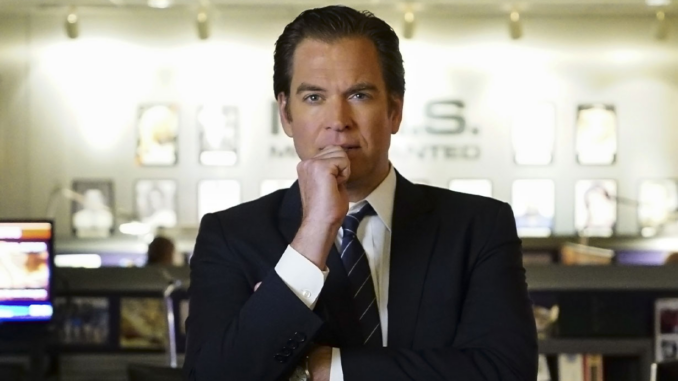
The shadows cast by legendary characters are often longer and more enduring than the shows themselves, and in the sprawling history of the “NCIS” franchise, no shadow is more formidable than that of Special Agent Anthony DiNozzo. For thirteen seasons, Michael Weatherly didn’t just play a character; he embodied a specific brand of charismatic, movie-quoting, and deeply loyal heroism that became the show’s stylistic DNA. Even in 2026, a decade after his departure, a vocal and dedicated segment of the fanbase remains fiercely protective of his legacy, sending a clear message to showrunners and casting directors alike: “If he’s no Tony DiNozzo, we’re not interested.”
This sentiment is not merely rooted in nostalgia; it is a testament to the unique “lightning in a bottle” chemistry that Weatherly brought to the screen. Tony DiNozzo was the ultimate “very special agent”—a man who hid a profound, intuitive investigative mind behind a mask of playboy bravado and slapstick humor. He was the “class clown” who would take a bullet for his team without hesitation. When “NCIS” attempted to fill the void left by his exit, the challenge was astronomical. Whether it was the rugged intensity of Nick Torres or the intellectual quirkiness of other additions, every new male lead has had to navigate the “DiNozzo Benchmark.” For many fans, any character who lacks that specific blend of vulnerability and “Very Special Agent” swagger feels like a placeholder rather than a successor.
The “No Tony, No Interest” movement peaked during the transition periods of the later seasons. Fans argued that while the show’s forensic and tactical elements remained strong, the emotional levity—the “frat house” energy that Tony shared with Timothy McGee and his complex, slow-burn romance with Ziva David—was the true engine of the series. Without Tony’s “Probie” slaps and his constant cinematic references, the bullpen felt colder, more professional, and, to some, significantly less magical. This vocal outcry isn’t meant to diminish the talent of the current cast, but rather to highlight how integral DiNozzo was to the show’s identity. He wasn’t just a part of the team; he was the lens through which the audience experienced the “NCIS” family.
This fan demand has had a tangible impact on the franchise’s direction. The persistent call for Tony’s return is precisely what fueled the greenlighting of the upcoming spinoff, “NCIS: Tony & Ziva.” CBS and Paramount+ realized that the “DiNozzo Effect” was too powerful to ignore. The fact that fans are willing to follow these characters to Europe for a completely different format proves that the audience’s loyalty isn’t to the badge or the agency, but to the man himself. They want the charm, the flaws, and the specific brand of resilience that only Anthony DiNozzo can provide. It is a rare phenomenon in television where a character’s absence becomes a louder narrative force than many characters’ presence.
Technically, the “DiNozzo archetype” is difficult to replicate because it relied so heavily on Michael Weatherly’s improvisational timing and his physical acting. He could convey a world of hurt with a single look at Gibbs, then immediately pivot to a joke to break the tension. This emotional agility is what fans miss the most. Newer characters often feel more “written,” whereas Tony felt lived-in. The “If he’s no Tony” mantra is a plea for that level of character depth—a hero who is allowed to be annoying, brilliant, heartbroken, and hilarious all at once.
As the “NCIS” universe continues to expand with “Origins” and various international iterations, the DiNozzo standard remains the gold bar. It serves as a reminder to creators that while procedurals are built on cases, they survive on characters. The fans who “say it loud” are essentially acting as the show’s conscience, reminding the writers that you can’t simply swap out a soul. You can change the lead agent, you can move the headquarters, and you can update the technology, but you cannot replace the specific brand of heart that wore the “Very Special Agent” title.
Ultimately, the enduring obsession with Tony DiNozzo is a compliment to the writers of the early seasons and to Weatherly’s performance. It shows that “NCIS” succeeded in creating a cultural icon. As we look toward the future of the franchise in 2026, the message remains clear: the audience is happy to see the Bureau evolve, but they will always be looking for that spark of DiNozzo magic in every new recruit. Until a character can match that level of iconic charm, the fans will keep their movie quotes ready and their expectations high, waiting for the return of the only agent who truly knew how to close a case with a smile and a reference to “Magnum, P.I.”