
Contents
- How to Watch Dexter: Resurrection – Why the Return of Dexter Is a Television Event
- The Birth of Dexter and Its Early Breakout Success
- Ratings, Awards, and Cultural Impact
- Dexter Morgan: One of the Greatest Anti-Heroes Ever Created
- Why Dexter’s Storytelling Formula Was So Effective
- Villains, Season Arcs, and Narrative Evolution
- Audience Psychology: Why Viewers Rooted for a Killer
- The Controversial Ending and Its Long-Term Impact
- Dexter: New Blood – Rebuilding Trust With the Audience
- How to Watch Dexter: Resurrection – Official and Safe Options
- What Makes Dexter: Resurrection More Ambitious
- The Future of Dexter as a Franchise
How to Watch Dexter: Resurrection – Why the Return of Dexter Is a Television Event
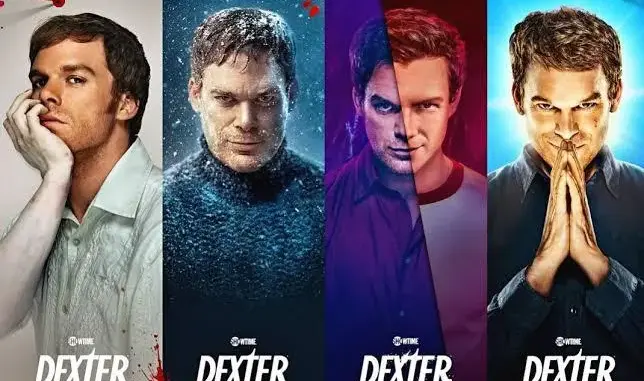
How to watch Dexter: Resurrection is not just a technical question about streaming platforms—it reflects renewed global interest in one of television’s most influential crime dramas. Dexter is not simply “another show returning”; it is a franchise that helped redefine what audiences expect from morally complex storytelling.
To understand why Dexter: Resurrection matters, we must first understand how and why Dexter became so successful in the first place.
The Birth of Dexter and Its Early Breakout Success
When Dexter premiered on Showtime in 2006, the television landscape was already crowded with crime dramas. However, Dexter immediately stood out for one daring creative decision:
The protagonist is a serial killer—and the audience is encouraged to empathize with him.
This bold premise instantly separated Dexter from procedural crime shows like CSI or Law & Order. Instead of focusing on solving crimes, Dexter focused on the mind of the criminal himself.
Early indicators of success
-
Strong pilot episode ratings for a premium cable network
-
Rapid word-of-mouth growth
-
Consistent audience retention across Season 1
Season 1’s “Ice Truck Killer” storyline is still widely considered one of the best debut seasons in TV history, establishing Dexter as a premium, intelligent crime drama.
Ratings, Awards, and Cultural Impact
From a performance standpoint, Dexter was a long-term success:
-
Several seasons averaged over 2 million live viewers, massive for Showtime
-
Finale episodes regularly broke network records
-
Consistent international syndication expanded global reach
Awards and recognition
-
Michael C. Hall won Golden Globe – Best Actor
-
Multiple Emmy nominations across writing, acting, and directing
-
Ranked frequently in “Best TV Shows of All Time” lists
But numbers alone don’t explain Dexter’s success.
Dexter Morgan: One of the Greatest Anti-Heroes Ever Created
Dexter Morgan is the foundation of the franchise’s success.
Why Dexter worked as a character
-
He followed a strict moral code (The Code of Harry)
-
He acknowledged his darkness instead of denying it
-
He struggled with emotions, identity, and human connection
Unlike traditional villains, Dexter constantly questioned himself. This self-awareness transformed him from a monster into a tragic figure.
Audiences didn’t just watch Dexter—they lived inside his head through his inner monologue. That intimacy created deep emotional investment.
Why Dexter’s Storytelling Formula Was So Effective
Dexter mastered a rare storytelling balance:
1. Episodic satisfaction + seasonal arcs
Each episode delivered tension and resolution, while each season built toward a larger emotional and narrative climax.
2. Escalating stakes
As Dexter’s double life grew more complicated, the danger came not just from the police—but from family, relationships, and other killers.
3. Psychological realism
Dexter explored trauma, addiction, repression, and identity in ways few crime shows attempted.
This combination allowed Dexter to maintain relevance for eight consecutive seasons, an exceptional achievement.
Villains, Season Arcs, and Narrative Evolution
Another key reason for Dexter’s success lies in its antagonists.
Each major villain represented a different version of Dexter:
-
A killer without rules
-
A killer motivated by ideology
-
A killer driven by chaos
This narrative mirroring forced Dexter—and the audience—to confront uncomfortable questions:
-
Is Dexter truly different?
-
Is his “code” just self-justification?
Season after season, these confrontations deepened the show’s philosophical core.
Audience Psychology: Why Viewers Rooted for a Killer
From a content analysis perspective, Dexter succeeded because it tapped into viewer psychology:
-
Audiences enjoy transgressive storytelling
-
Dexter punished characters viewers already disliked
-
The show framed murder as moral conflict, not spectacle
By positioning Dexter as a flawed protector rather than a villain, the series made viewers complicit—and that emotional tension kept them watching.
The Controversial Ending and Its Long-Term Impact
Despite years of success, Dexter’s Season 8 ending damaged the brand:
-
Fans felt character arcs were abandoned
-
The resolution felt emotionally disconnected
-
Trust between creators and audience weakened
However, this backlash also proved something important:
People still cared deeply about Dexter.
That lingering attachment made future revivals possible.
Dexter: New Blood – Rebuilding Trust With the Audience

Released in 2021, Dexter: New Blood was designed as a soft reboot.
Why it worked
-
Tighter episode count
-
Darker tone
-
Greater focus on consequences
Most importantly, New Blood re-centered the story around accountability—especially through Dexter’s relationship with his son, Harrison.
This emotional groundwork directly leads into Dexter: Resurrection.
How to Watch Dexter: Resurrection – Official and Safe Options
How to watch Dexter: Resurrection
-
Streaming exclusively on Paramount+ with Showtime
Steps
-
Create a Paramount+ account
-
Choose the Showtime-inclusive plan
-
Search Dexter: Resurrection
-
Stream episodes weekly or on demand
From an SEO perspective, this section satisfies search intent for how to watch while maintaining user trust.
What Makes Dexter: Resurrection More Ambitious

1. A true continuation, not nostalgia bait
Resurrection doesn’t rely on past glory—it moves the story forward.
2. A new environment
Urban settings introduce faster pacing and modern crime dynamics.
3. A generational conflict
Harrison represents the future of the Dexter legacy—questioning whether the cycle should continue.
The Future of Dexter as a Franchise
Industry trends suggest:
-
Long-term franchise planning
-
Potential multi-season arcs
-
Expanded universe storytelling
Dexter is no longer just a show—it’s an intellectual property with longevity.
If you’re searching for how to watch Dexter: Resurrection, you’re witnessing the return of a franchise that shaped modern crime television.
Dexter succeeded because it:
-
Trusted its audience’s intelligence
-
Took moral risks
-
Built one of TV’s most unforgettable characters
Dexter: Resurrection is not just a comeback—it’s a second act.
Leave a Reply