
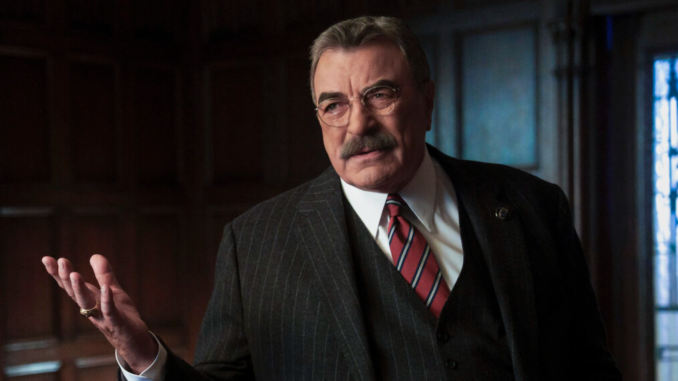
The long-standing reign of the Reagan family on Friday nights is reaching its final curtain call, sparking a wave of bittersweet anticipation among millions of viewers. For over a decade, CBS’s Blue Bloods has stood as a pillar of procedural television, outlasting countless competitors through its unique blend of gritty police work and deeply personal family values. As the network officially moves toward the series finale, the central question looming over the New York City landscape isn’t just about how the cases will close, but rather the fate of its patriarch: Commissioner Frank Reagan.
Contents
The Legacy of the Reagan Dynasty
Since its debut in 2010, Blue Bloods has carved out a specific niche that distinguishes it from the high-octane action of the FBI franchise or the melodramatic intensity of the One Chicago universe. At its heart, the show is a multi-generational study of public service. Tom Selleck’s portrayal of Frank Reagan has become iconic, representing a vanishing breed of stoic, principled leadership. Frank isn’t just the Police Commissioner; he is the moral compass for a city that often feels like it is spinning out of control.
The series succeeded by focusing on the friction between the law and the individuals who uphold it. Whether it is Danny Reagan’s hot-headed pursuit of justice, Erin’s calculated maneuvers in the District Attorney’s office, or Jamie’s steady rise through the ranks, the show explores how the “family business” impacts their souls. The mandatory Sunday dinner scenes served as the emotional anchor for every episode, providing a space where the characters—and the audience—could process the moral complexities of the week.
The Final Chapter: CBS Confirms the End
The announcement that Season 14 would be the final installment sent shockwaves through the fanbase. Despite consistent ratings that many younger shows would envy, the logistical and financial realities of producing a long-running, star-studded drama in a shifting media landscape led to the difficult decision to conclude the saga. This final season has been split into two parts, a strategic move designed to give the writers enough runway to land the plane with the dignity the characters deserve.
The promotional buildup has centered heavily on the idea of a “long goodbye.” For the fans who have spent 14 years watching the Reagan children grow and the Reagan grandchildren enter adulthood, the finality feels personal. However, the official confirmation of the show’s end has only intensified the scrutiny on Frank Reagan’s ultimate trajectory.
Is This Truly the End for Frank?
Speculation regarding Frank Reagan’s future is the driving force behind the series’ final narrative arc. Throughout the show, Frank has often been at odds with the Mayor’s office, balancing political pressure with his duty to his officers. He has toyed with the idea of resignation or retirement several times, yet he always remained the “man in the chair.”
There are several ways the finale could handle Frank’s exit:
-
A Quiet Retirement: The most grounded conclusion would see Frank finally stepping down, perhaps passing the torch to a successor he trusts, allowing him to spend his remaining years as a grandfather rather than a public official.
-
A Political Shift: Some fans have long theorized that Frank might finally be pushed into a higher political office, though his disdain for “politics as usual” makes this a complex path.
-
The Ultimate Sacrifice: While less likely given the show’s tone, some fear a more tragic end that cements his legacy as a martyr for the city he loves.
The true “end” for Frank Reagan, however, might not be a departure from the world, but a transition. Even if the cameras stop rolling, the character is written as an institution. The final episodes are tasked with proving that the Reagan legacy will continue through Jamie, Danny, and Erin, even if the man at the head of the table is no longer wearing the badge.
Why Blue Bloods Remains Essential
The enduring popularity of Blue Bloods speaks to a broader craving for stories about integrity and tradition. In an era of television defined by anti-heroes and moral ambiguity, Frank Reagan stood for something firm. The show’s ability to tackle modern social issues through the lens of a traditional family provided a balanced perspective that resonated across demographics.
As we approach the final episodes, the atmosphere is one of reverence. CBS is not just ending a show; they are closing a chapter on a specific type of storytelling. While the 1PP (One Police Plaza) office may soon have a new occupant, the shadow of Frank Reagan will loom large over the history of television procedurals. Whether this is truly the “end” or just a transition into a different kind of legacy, the impact of the Reagan family is permanent. Fans are ready to take their seats at the Sunday dinner table one last time, honoring a character who reminded us that even in a chaotic world, some things—like family and honor—are worth the fight.