
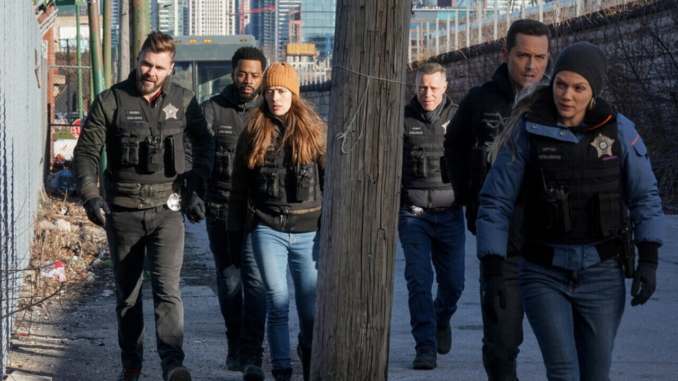
The renewal of Chicago P.D. for another season has brought a wave of relief to fans who have spent years following the gritty, high-stakes world of the 21st District. However, this celebration is quickly being overshadowed by a looming sense of dread. While the Intelligence Unit has secured its place on the small screen for another year, all signs point to the fact that Sergeant Hank Voight and his team are heading into their darkest era yet. The upcoming episodes promise to push the boundaries of procedural drama, moving away from standard police work and diving deep into the psychological toll of a city—and a system—on the brink of collapse.
For over a decade, Chicago P.D. has stood out within the One Chicago franchise for its uncompromising tone and its willingness to explore the “grey areas” of law enforcement. As we look toward the new season, the structural changes within the cast and the evolving political climate of the fictional Chicago are converging to create a perfect storm. The departure of key veteran officers in recent years has left the Intelligence Unit feeling fractured and isolated. This power vacuum is where the darkness begins to seep in, as those who remain are forced to take on more significant burdens with fewer moral anchors to hold them steady.
Contents
The Weight of Leadership and the Price of Justice
At the center of this darkening horizon is Hank Voight. Throughout the series, Voight has been the ultimate anti-hero, a man willing to cross any line to protect his city and his family. But as the show enters this new era, we are seeing a version of Voight that is increasingly weary and perhaps more dangerous than ever. Without the stabilizing presence of partners who could challenge his impulses, the line between justice and vengeance is becoming dangerously blurred. The renewal news has been accompanied by whispers of a season-long arc that will test Voight’s soul in ways the audience hasn’t seen since the loss of his son.
The darkness isn’t just about the violence on the streets; it’s about the internal erosion of the characters. We are seeing members of the unit like Kevin Atwater and Kim Burgess grapple with trauma that isn’t easily resolved by the end of a forty-minute episode. The show is moving toward a more serialized form of storytelling where the emotional consequences of their jobs follow them home. This shift suggests that the darkest era yet will be defined by psychological warfare as much as physical danger.
A City Under Siege and a Unit Under Fire
One of the reasons Chicago P.D. remains so compelling is its ability to reflect the real-world complexities of urban policing. In the upcoming season, the Intelligence Unit will find itself at odds with a city leadership that is increasingly skeptical of their methods. This external pressure creates a “siege mentality” within the 21st District. When a team feels like they are the only ones left standing between order and chaos, they tend to double down on their most controversial instincts.
The narrative is expected to lean heavily into the theme of isolation. The crossovers with Chicago Fire and Chicago Med, while still a staple of the franchise, may feel more strained as the P.D. crew moves further into the shadows. This isolation is a narrative choice designed to make the stakes feel more personal. When the Intelligence Unit has no allies left in the Ivory Tower or on the streets, every decision becomes a gamble with their lives and their badges.
Why This Shift Is Necessary for the Franchise
While “darker” might sound like a warning, for a show like Chicago P.D., it is a promise of quality. To remain relevant in 2026, the series must evolve beyond the “case of the week” format. By leaning into a more atmospheric and gritty tone, the producers are ensuring that the show doesn’t become a relic of an older era of television. The audience’s appetite for complex, flawed characters is higher than ever, and there is no better playground for that than the dark alleys of the Windy City.
The “Darkest Era Yet” also allows for the introduction of new antagonists who aren’t just street-level criminals, but systemic threats—corrupt politicians, internal affairs investigators with vendettas, and the psychological demons that come from years of seeing the worst of humanity. As the unit faces these challenges, the viewers will be forced to ask themselves how much they are willing to forgive in the name of safety.
As we prepare for the premiere, the excitement for the renewal is tempered by a genuine curiosity about who will be left standing when the smoke clears. Chicago P.D. has never been a show about easy answers, and if the rumors of this new era are true, the answers are about to get a whole lot harder to find. The Intelligence Unit is back, but the price of their return might be the very morality they’ve been fighting to keep. For the fans, the ride is about to get much more intense, proving that even after all these years, this show still has the power to shock.