
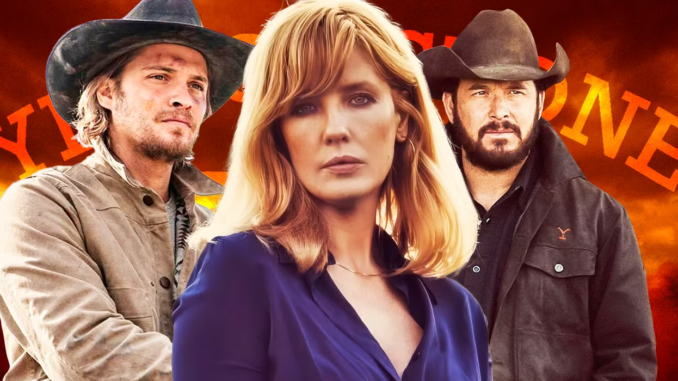
The landscape of modern television was rocked when news first broke that the flagship series of the Taylor Sheridan universe would be coming to an end. For months, fans lived in a state of perpetual anxiety, mourning the impending loss of the Dutton family saga and the rugged Montana vistas that have defined Sunday night viewing for years. However, the air has finally cleared, and the message from the studio is loud and unambiguous: It is not over yet. Paramount has officially confirmed that the Yellowstone story is far from finished, signaling a massive expansion that ensures the brand will remain a cultural cornerstone for the foreseeable future.
This revelation comes at a critical juncture for the franchise. With the departure of Kevin Costner and the conclusion of the main series’ final season, many assumed the sun was setting on the ranch. Instead, Paramount is doubling down on the lore of the 6666 and the legacy of the Dutton bloodline. The strategy is no longer just about maintaining a single hit show; it is about building a cinematic universe that spans generations. By confirming that the narrative will continue through various sequels and spin-offs, the producers are reassuring an audience of millions that their emotional investment in these characters will continue to pay off.
The center of this renewed energy is the highly anticipated sequel series, which promises to bridge the gap between the original show and a new era of Montana power struggles. While the main series provided the foundation, the upcoming chapters are expected to shift the focus toward the survivors of the Yellowstone conflict. The announcement has sparked intense speculation about which members of the original cast will carry the torch forward. Whether it is the unrelenting fire of Beth Dutton or the calculated grit of Kayce, the continuation ensures that the themes of land ownership, heritage, and the brutal cost of survival will remain front and center.
Beyond just a direct sequel, the confirmation that the story is far from finished includes the expansion of the prequel timeline. The success of 1883 and 1923 proved that the audience has an insatiable appetite for the history of the Dutton family. By exploring different decades and the unique challenges faced by each generation, the creators are weaving a complex tapestry of American history. This approach allows the franchise to stay fresh, introducing new stars and settings while staying tethered to the core identity that made Yellowstone a phenomenon. It is a rare feat in television to maintain such high stakes across multiple timelines, yet the plan moving forward suggests a masterclass in long-form storytelling.
From a production standpoint, the decision to keep the Yellowstone engine running is a logical one. The show has become more than just a ratings giant; it is a lifestyle brand that has revitalized the Western genre and influenced everything from fashion to tourism. Paramount’s commitment to the franchise indicates a long-term vision where the Dutton ranch serves as the North Star for an entire slate of programming. The story isn’t just about one man’s fight to keep his land anymore; it has evolved into an epic myth about the American West itself, a theme that offers endless possibilities for exploration.
Digital platforms and social media have been buzzing with this news, as the “It’s Not Over Yet” mantra has become a rallying cry for the fanbase. The shift in narrative from a definitive ending to a new beginning has changed the way viewers are approaching the final episodes of the current season. Instead of looking for closure, fans are now looking for clues, searching for the narrative threads that will lead into the next phase of the journey. This strategic pivot has effectively turned a potential series finale into a massive launching pad for a whole new world of content.
Ultimately, the survival of Yellowstone as a continuing saga speaks to the power of authentic storytelling in a crowded media market. The series tapped into a deep-seated desire for stories about family loyalty and the raw beauty of the natural world. By refusing to let the flame die out, Paramount is honoring that connection with the viewers. The ranch might be under siege, and the faces of the leadership might change, but the spirit of the Dutton legacy is being reinforced for a new generation. For those who feared they were saying goodbye to the high-stakes world of Big Sky Country, the message is clear: the frontier is still open, the horses are saddled, and the most intense chapters of this western epic are likely still unwritten.