
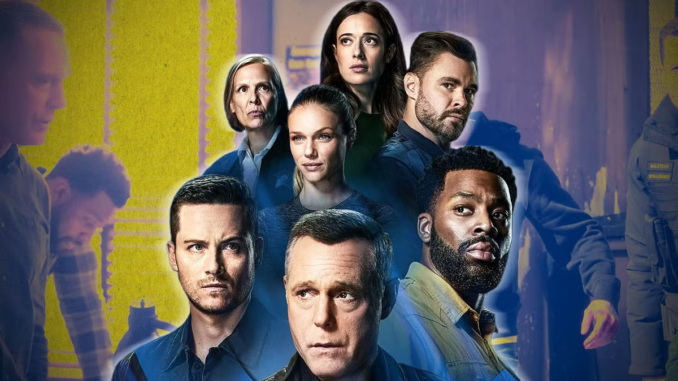
The gritty streets of the Windy City have always been a breeding ground for tension, but nothing tests the mettle of the Intelligence Unit quite like an undercover operation that begins to fray at the edges. In the high-stakes world of Chicago P.D., the line between justice and chaos is razor-thin, and when a mission spirals out of control, the consequences are often measured in blood and broken trust. These undercover arcs are the lifeblood of the series, providing a visceral look at the psychological toll extracted from officers who must live a lie to catch a monster. When a mission shifts from a calculated sting to a desperate scramble for survival, the show reaches its most harrowing peaks, leaving fans on the edge of their seats and characters questioning their very souls.
The anatomy of a disastrous undercover operation usually begins with a noble intention and a solid plan devised by Sergeant Hank Voight. However, the unpredictability of the criminal underworld means that even the best-laid schemes are subject to the volatile whims of paranoid kingpins and desperate street soldiers. In these scenarios, we often see officers like Kevin Atwater or Hailey Upton pushed to their absolute limits. The tension is palpable as they navigate rooms filled with armed suspects, knowing that a single slip of the tongue or a vibrating burner phone could mean an instant death sentence. The brilliance of the writing in One Chicago lies in its ability to make the audience feel that suffocating claustrophobia, where every shadow holds a potential threat and every ally is a potential informant.
When an operation starts to spiral, the breakdown typically begins with a loss of communication. A dead radio or a compromised wire creates a terrifying vacuum where the team on the outside is left blind, unable to protect their own. We have seen this play out in some of the series’ most iconic episodes, where the tactical unit is forced to make split-second decisions with incomplete information. These moments highlight the brutal reality of urban policing, where the desire to maintain a long-term investigation often clashes with the immediate need to save a fellow officer’s life. It is in this gray area that Voight’s leadership is most frequently tested, as he is forced to weigh the success of a months-long operation against the survival of his family in the 21st District.
The fallout of a botched mission is never contained within the confines of the crime scene. The psychological aftermath is where the true disaster unfolds. For an officer who has spent weeks or months embedded with a gang or a drug cartel, the return to normalcy is often a jagged and painful process. The trauma of witnessing atrocities or being forced to participate in criminal acts to maintain a cover leaves deep scars. We see this reflected in the hollowed-out expressions of the characters as they sit in the locker room, trying to reconcile their duty with the horrors they have endured. This emotional resonance is what separates Chicago P.D. from standard police procedurals; it doesn’t just show the arrest, it shows the cost of the handcuffs.
Furthermore, a mission disaster often ripples through the entire One Chicago universe. A failed drug bust in P.D. might lead to an influx of overdose victims at Chicago Med, or an arson investigation that goes sideways might require the immediate intervention of the brave men and women at Firehouse 51. This interconnectedness emphasizes that the city is a living, breathing organism where a single failure in one department can trigger a catastrophic chain reaction across the others. The stakes are never just about one case; they are about the safety and stability of the entire community.
As the series continues to evolve, the complexity of these undercover missions only increases. The introduction of new technology and more sophisticated criminal networks means that the Intelligence Unit must constantly adapt. Yet, the core human element remains the same. The fear of being found out, the adrenaline of the chase, and the crushing weight of a mission gone wrong are universal themes that keep viewers coming back season after season. A mission disaster isn’t just a plot device; it is a mirror held up to the reality of law enforcement, reflecting the impossible choices and the devastating sacrifices required to keep a city like Chicago safe.
In the end, when the dust settles and the sirens fade into the distance, the members of the Intelligence Unit are left to pick up the pieces of their shattered plans. They are reminded that in their line of work, control is often an illusion. The beauty of One Chicago is that it doesn’t shy away from these failures. It embraces the messiness of the job, showing that even the most elite units can be brought to their knees by a single unforeseen variable. These stories of missions spiraling out of control serve as a powerful reminder of the bravery required to step into the dark, and the immense burden of being the ones who have to find the way back out.