
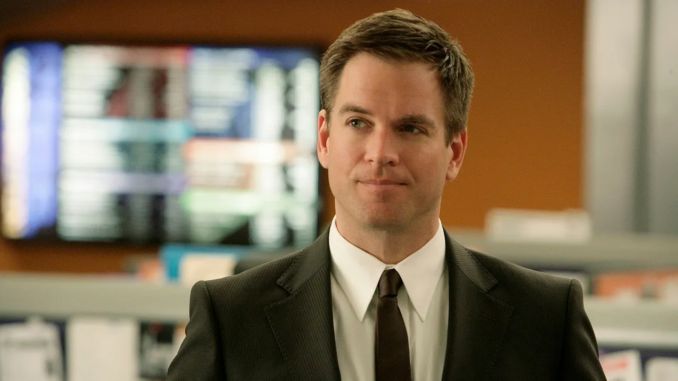
In the vast landscape of procedural television, few characters have left as indelible a mark as Special Agent Anthony DiNozzo. For thirteen seasons, Michael Weatherly portrayed the Senior Field Agent with a masterful blend of cinematic charisma, frat-boy humor, and a surprising depth of vulnerability. When he finally walked out of the Navy Yard for the last time, it wasn’t just a plot point in a long-running series; it was a cultural moment that fundamentally shifted the heart of NCIS. Even years later, the goodbye that defined an era of television still brings fans to tears, standing as the most emotionally resonant exit in the history of the franchise.
The pain of Tony’s departure is rooted in the sheer length of the journey we shared with him. We first met DiNozzo as a fast-talking, movie-obsessed detective with a penchant for bothering his coworkers. However, beneath the surface of the “Very Special Agent” was a man seeking the approval of a father figure, which he ultimately found in Leroy Jethro Gibbs. Their relationship, built on head-slaps and silent understandings, formed the emotional backbone of the show. Watching Tony grow from a somewhat immature investigator into a seasoned leader was a slow-burn transformation that made the audience feel like they were part of his family.
What made his exit particularly gut-wrenching was the catalyst: the presumed death of Ziva David. The Tiva storyline had been a central pillar of NCIS for nearly a decade, a masterclass in “will-they-won’t-they” tension that kept millions of viewers tuned in every Tuesday night. To discover that Tony had a daughter he never knew about—Tali—in the midst of his grief for Ziva was a narrative stroke of genius that gave his departure a sense of inevitable destiny. It wasn’t about a career change or a move to another agency; it was about a man choosing to be the father he never had, finally putting someone else’s needs above his own and the job he loved.
The final scenes of that farewell episode remain some of the most watched clips in the show’s history. The quiet, understated goodbye between Gibbs and DiNozzo in the basement was a masterclass in “less is more” acting. There were no grand speeches or dramatic tears from the boss; instead, a simple exchange of looks conveyed decades of mutual respect and love. When Tony eventually stepped into the elevator, leaving behind the bullpen that had been his home for thirteen years, it felt like the end of an era for the viewers as much as for the characters. The silence in the office after his departure was palpable, leaving a void that many fans argue has never been truly filled.
Tony DiNozzo was the character who provided the light in a show that often dealt with the darkest aspects of humanity. His movie references and office pranks were more than just comic relief; they were the defense mechanisms of a man who saw too much pain. By removing that light, the show took on a significantly different tone. While the series successfully introduced new characters like Nick Torres and Jessica Knight to keep the momentum going, the specific brand of energy Weatherly brought to the screen remains unique. This is why his recent return in the 1,000th episode and the announcement of the upcoming NCIS: Tony & Ziva spin-off in Europe generated such an explosive reaction. The fans never really said goodbye; they were just waiting for the next chapter.
The lasting impact of this exit also speaks to the quality of the writing during that period. It is rare for a procedural to handle a lead’s departure with such grace and thematic consistency. Often, characters are killed off for shock value or written out in ways that feel forced. DiNozzo’s exit felt earned. It was a completion of his character arc—the ultimate evolution from a man who hid behind jokes to a man who embraced the weight of responsibility. It allowed him to leave with his head held high, carrying the legacy of the MCRT with him to a new life.
Even in 2026, as NCIS continues to break records and expand its universe, the mention of Episode 24 of Season 13 still triggers a visceral reaction in the community. It serves as a reminder of the power of character-driven storytelling. We didn’t just watch Tony DiNozzo solve crimes; we watched him live, love, and eventually, grow up. The goodbye that hurt the most remains a testament to the show’s ability to create characters that feel like real people. As long as the show is on the air, the legend of the “Very Special Agent” will continue to haunt the halls of the Navy Yard, reminding us all that sometimes, the greatest act of heroism is simply knowing when it’s time to go home.