
Contents
A New Wave of Changes Hits CBS Programming
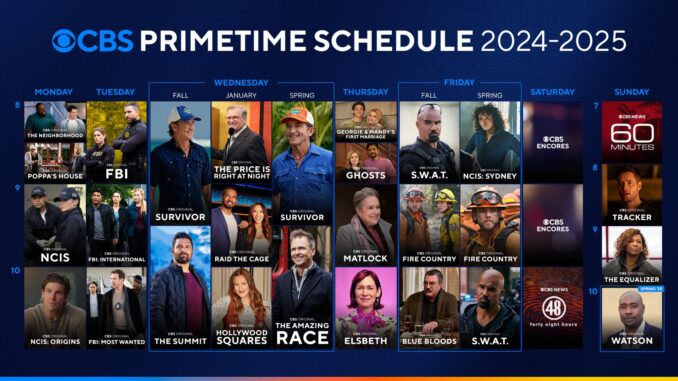
The television landscape is shifting once again, and CBS has made a series of high-profile decisions that are already sparking intense reactions among fans. As part of its 2026–27 season strategy, the network has officially canceled several shows, including Watson, DMV, and the long-running sitcom The Neighborhood. These cancellations mark the end of an era for some viewers while signaling a broader shift in CBS’s programming direction.
While cancellations are a routine part of the television cycle, the removal of these particular titles has drawn attention due to their varying levels of popularity and audience loyalty. Each show represented a different genre and demographic, making the decision feel especially significant for the network’s overall identity.
Why CBS Is Making These Tough Decisions
In today’s competitive entertainment environment, networks like CBS are under constant pressure to balance ratings, streaming performance, production costs, and audience engagement. Even shows with dedicated fan bases are not immune if they fail to meet evolving expectations.
For Watson, the cancellation comes as a surprise to many. The medical-crime hybrid had generated early buzz thanks to its unique premise and strong lead performances. However, industry insiders suggest that inconsistent ratings and rising production expenses may have played a role in its early exit.
Meanwhile, DMV struggled to find its footing from the start. Despite attempts to position it as a relatable workplace comedy, it faced stiff competition from both network rivals and streaming platforms. Audience engagement reportedly declined over time, making it difficult for CBS to justify a renewal.
The biggest shock, however, is the cancellation of The Neighborhood. As one of CBS’s more established comedies, the show had built a loyal fan base over multiple seasons. Its departure suggests that CBS is prioritizing fresh content and possibly reallocating resources toward new projects with broader streaming appeal.
Fan Reactions Pour In Across Social Media
As news of the cancellations spread, fans quickly took to social media to voice their disappointment, frustration, and, in some cases, confusion. Many viewers expressed particular sadness over the end of The Neighborhood, citing its cultural relevance and consistent humor as reasons it deserved another season.
Supporters of Watson also voiced concerns that the show didn’t receive enough time to fully develop its storyline. Some fans argued that modern TV trends often cut promising series too quickly, preventing them from reaching their full potential.
On the other hand, reactions to DMV were more mixed. While a smaller but passionate audience lamented its cancellation, others acknowledged that the show struggled to stand out in a crowded comedy market.
What This Means for CBS’s Future Lineup
The cancellation of these shows is not just about endings—it’s also about new beginnings. CBS appears to be reshaping its lineup to better align with changing viewer habits, particularly the growing dominance of streaming platforms and on-demand content.
Industry analysts believe that CBS is likely to invest more heavily in high-concept dramas, franchise expansions, and streaming-friendly formats. This could mean fewer traditional sitcoms and more serialized storytelling designed to keep audiences engaged over longer periods.
Additionally, the network may be focusing on projects that have stronger international appeal, allowing them to perform well not only in the U.S. but also across global markets. This strategy has become increasingly important as competition intensifies among major broadcasters and streaming giants.
The Bigger Picture: A Changing TV Industry
The cancellations of Watson, DMV, and The Neighborhood reflect a broader transformation happening across the television industry. Networks are no longer just competing with each other—they’re competing with streaming services, social media platforms, and even user-generated content.
This shift has led to shorter lifespans for many shows, as networks prioritize immediate impact and measurable success over long-term development. While this approach can lead to exciting new content, it also means that audiences may have to say goodbye to their favorite series sooner than expected.
Could Any of These Shows Be Saved?
In the current TV ecosystem, cancellation doesn’t always mean the end. There is always a possibility that another network or streaming platform could pick up a canceled show, especially if it has a dedicated fan base.
Fans of Watson and The Neighborhood have already begun speculating about potential revivals on streaming services. While no official announcements have been made, similar rescues have happened in the past, giving hope to viewers who aren’t ready to say goodbye.
However, such outcomes depend on multiple factors, including licensing agreements, production costs, and overall demand. For now, the future of these shows remains uncertain.
Final Thoughts: The End of an Era, the Start of Something New
The cancellation of these CBS shows marks a significant moment for both the network and its audience. While it’s never easy to see beloved series come to an end, these decisions are part of a larger evolution in how television is created and consumed.
For CBS, this is an opportunity to reinvent its lineup and adapt to a rapidly changing industry. For fans, it’s a reminder to cherish the shows they love while staying open to new stories and experiences.
As the 2026–27 season approaches, one thing is certain: the world of television will continue to evolve—and with it, the way we connect with the stories on our screens.