
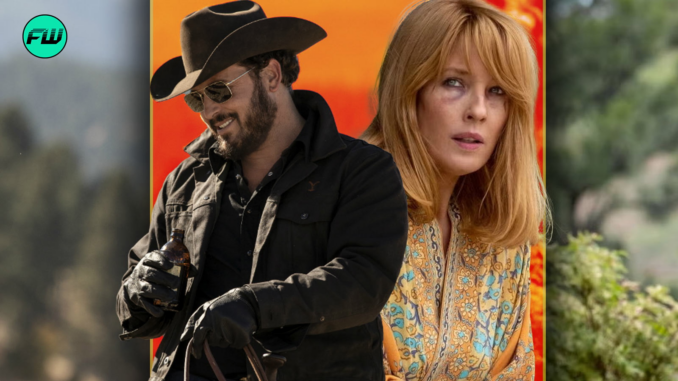
The visceral emotional core of the Yellowstone saga has always been the unwavering, often brutal devotion between Rip Wheeler and Beth Dutton. For five seasons, fans have watched this couple navigate a landscape of violence, corporate warfare, and deep-seated family trauma, emerging as the show’s most resilient duo. However, recent narrative shifts have placed Cole Hauser’s Rip Wheeler at a crossroads that is currently breaking hearts across the global fanbase. As the series hurtles toward its final chapters, Rip has been forced to make a devastating choice that prioritizes duty and the survival of the Dutton legacy over his immediate future with the woman he loves, marking a turning point that may change the ranch forever.
Cole Hauser’s portrayal of Rip has always been defined by a specific brand of stoic loyalty. He is a man who exists in the shadows of the ranch, acting as the enforcer for John Dutton while serving as the emotional anchor for Beth. But the latest developments in the storyline have pushed that loyalty to its breaking point. When faced with the logistical and legal pressures mounting against the Yellowstone ranch, Rip makes the agonizing decision to move the cattle to Texas. This move isn’t just a business maneuver; it represents a physical and emotional severance from Beth at a time when she is at her most vulnerable. For a couple that has fought so hard to find a semblance of domestic peace, this forced separation feels like a betrayal of their hard-won stability.
The emotional weight of this choice is carried entirely in Hauser’s nuanced performance. Unlike Beth, who often weaponizes her emotions, Rip keeps his internal struggle tightly coiled. You can see the devastation in the quiet moments—the way he prepares to leave and the heavy silence that follows their farewell. By choosing the ranch over staying by Beth’s side during her ongoing war with Jamie and the corporate vultures circling their land, Rip confirms his identity as a man of the brand. He is a soldier first, even if it means breaking his own heart and leaving his wife to face her demons alone in Montana.
This narrative pivot is particularly painful because of the history Beth and Rip share. They are two damaged individuals who found a rare, terrifyingly pure connection in a world that seeks to destroy anything soft. For Beth, Rip is the only person who provides a sense of safety. His departure to Texas leaves her exposed, not just to her enemies, but to the loneliness that has haunted her since childhood. The devastating nature of the choice lies in the fact that Rip believes he is doing the right thing for their future by saving the cattle and the family’s wealth, while Beth views the world through the lens of immediate presence and protection.
The ripple effects of this decision are being felt throughout the Yellowstone community. It signals a fragmentation of the Dutton inner circle at the exact moment they need to be most united. With John Dutton facing his own political and personal battles, the absence of his most trusted lieutenant creates a power vacuum that enemies are sure to exploit. Hauser’s ability to convey Rip’s sense of obligation—a man bound by a debt he can never fully repay—makes the tragedy feel inevitable. He isn’t leaving because he wants to; he is leaving because the code he lives by demands it, even if that code is slowly dismantling the life he built with Beth.
As the series moves toward its conclusion, the question remains whether Rip and Beth can survive this distance. Yellowstone has never been a show that guarantees happy endings, and this latest choice feels like a precursor to a more permanent loss. The devastation felt by the audience reflects a deep investment in these characters’ happiness, making Rip’s departure a masterclass in tension-building. It highlights the fundamental theme of the show: that the ranch demands everything from those who love it, often leaving them with nothing else.
Cole Hauser has successfully turned Rip Wheeler into a cultural icon of the modern West, and this heartbreaking turn only solidifies that status. By making a choice that hurts those he loves most for the sake of a higher calling, he embodies the tragic hero archetype. Fans are left waiting with bated breath to see if this sacrifice will actually save the Yellowstone or if it is simply the first step in a long, painful goodbye to the world of the Duttons. One thing is certain: the ranch is a colder, more dangerous place without Rip Wheeler standing guard, and Beth Dutton’s path forward has never looked more uncertain.