
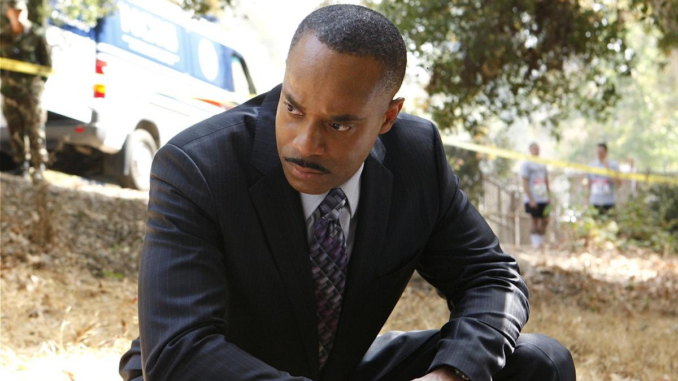
For over two decades, the halls of the Navy Yard have been anchored by figures of immense integrity, but few carry the gravitas and mystery of Director Leon Vance. As the longest-serving director in the history of the franchise, Vance has navigated political minefields, international espionage, and internal uprisings with a stoic composure that has made him a fan favorite. However, the latest developments in the NCIS universe have sent shockwaves through the audience, suggesting that the man who holds the keys to the kingdom might be harboring a secret capable of dismantling the agency from the top down. The most recent episode has shifted the spotlight from the field agents to the director’s office, raising uncomfortable questions about where his true loyalties lie.
The tension began with a seemingly minor discrepancy in a classified cold case file involving a high-level deep-cover operation from a decade ago. While the team was busy tracking a modern-day threat, a series of redacted documents surfaced that bore Vance’s personal authorization codes—signatures that shouldn’t have existed given the timeline of his official record. This subtle breadcrumb trail has led viewers to wonder if Leon Vance is hiding a past that predates his rise to the director’s chair, or if he is currently involved in a shadow operation that bypasses the standard chain of command. For a character defined by his adherence to the rules and his protection of his team, the hint of a hidden agenda feels like a seismic shift in the show’s moral landscape.
What makes these questions so compelling is the way Rocky Carroll portrays the character’s internal struggle. In the latest scenes, we see a version of Vance that is more guarded than usual, frequently taking private calls and appearing distracted during high-stakes briefings. This behavioral change hasn’t gone unnoticed by senior agents like Timothy McGee or Alden Parker, creating a palpable friction within the headquarters. The show is masterfully playing with the concept of the “need to know” basis; while Vance has always kept secrets for the sake of national security, the nature of these latest revelations feels personal rather than professional. It forces the audience to reconsider every major decision he has made over the years—was he protecting the Navy, or was he protecting himself?
The possibility of a Vance-centric conspiracy adds a fresh layer of psychological drama to the procedural format. Unlike the explosive, action-heavy betrayals of the past, this mystery is a slow burn. It explores the isolation of leadership and the heavy burden of secrets that must be kept to maintain order. If Vance is indeed hiding something significant, it puts the entire team in a precarious position. Agents like Nick Torres and Jessica Knight rely on the director’s unwavering support to do their jobs in the field. If that foundation of trust is compromised, the tactical effectiveness of the unit could crumble. The latest episode highlights this vulnerability, showing how a single seed of doubt can paralyze an entire operation.
Furthermore, the narrative raises big questions about the intersection of politics and justice. As Director, Vance is the bridge between the grit of the investigators and the polish of the Pentagon. The latest episode hints at a “quid pro quo” involving a high-ranking government official, suggesting that Vance might be a pawn in a much larger game. Whether he is a willing participant or a victim of blackmail remains to be seen, but the stakes have never been higher. Fans are divided on his potential guilt; some believe he is acting as a double agent to root out corruption, while others fear that the character is being steered toward a tragic fall from grace.
This storyline is a brilliant move by the writers to keep the series relevant after twenty-plus seasons. By challenging the integrity of its most stable leader, NCIS proves that no one is above suspicion. It creates a sense of unpredictability that is vital for a long-running drama. The “Vance mystery” isn’t just a sub-plot; it is a fundamental test of the NCIS family. If their leader is compromised, can the team survive the fallout? The episode leaves us on a cliffhanger, with Vance staring at an old photograph that suggests his past is finally catching up to him.
As we move forward into the heart of the season, the search for the truth behind Leon Vance’s actions will likely become the driving force of the narrative. Is he the shield that protects the agency, or is he the storm that will destroy it? Regardless of the outcome, the latest episode has successfully reignited the conversation around the show’s veteran cast, proving that the deepest secrets are often hidden in plain sight. For the fans, the wait for answers is as agonizing as it is exhilarating, making this one of the most talked-about arcs in recent memory. The Director’s office has never felt so cold, and the secrets within its walls have never felt so dangerous.