
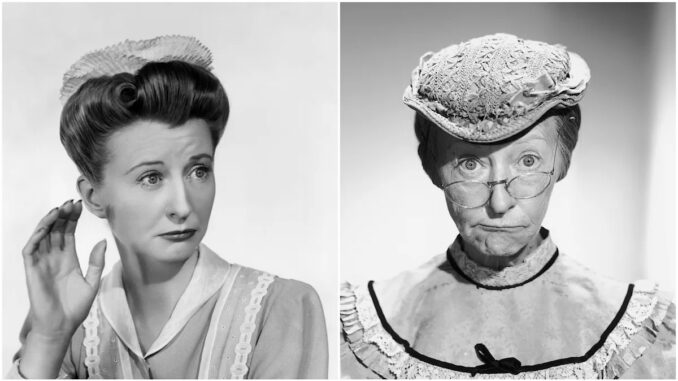
A Sitcom That Defined an Era
When The Beverly Hillbillies premiered in 1962, it quickly became one of the most beloved sitcoms in American television history. Its fish-out-of-water premise—following a poor rural family who strike oil and move to the wealthy enclave of Beverly Hills—captured audiences with its humor, charm, and memorable characters. Week after week, millions tuned in to watch Jed Clampett, Granny, Elly May, and Jethro navigate high society with homespun wisdom and comedic confusion.
But behind the laughter and massive ratings success, there was a lesser-known reality unfolding off-screen—one defined by significant disparities in pay among the cast. While the show projected unity and warmth, the financial dynamics told a different story, revealing the often unequal power structures of Hollywood during that era.
The Star Power That Shaped Salaries
At the center of the show was Buddy Ebsen, who played Jed Clampett. As the patriarch of the Clampett family, Ebsen carried much of the narrative weight. He was also a seasoned actor with years of experience in film and television before joining the series. Because of his established reputation, Ebsen was able to negotiate a significantly higher salary than his co-stars.
In contrast, other key cast members—such as Irene Ryan (Granny), Donna Douglas (Elly May), and Max Baer Jr. (Jethro)—were either less established or lacked the same bargaining power. As a result, their salaries were notably lower, even though their characters were equally iconic and essential to the show’s success.
This imbalance wasn’t unusual at the time. Television contracts in the 1960s often favored the most recognizable name, with studios prioritizing perceived market value over ensemble equality. Still, the gap on The Beverly Hillbillies was striking enough to raise eyebrows in retrospect.
The Reality of 1960s Television Contracts
To fully understand the salary gap, it’s important to consider the broader context of the television industry in the 1960s. Actors typically signed long-term contracts early in a show’s run, often before its success was guaranteed. These contracts locked performers into fixed pay rates that didn’t always reflect the show’s later popularity.
For newer actors like Donna Douglas and Max Baer Jr., this meant being tied to relatively modest salaries even as the show became a cultural phenomenon. Meanwhile, someone like Buddy Ebsen, who entered negotiations with more leverage, secured a deal that better reflected his status from the outset.
Additionally, residuals—the payments actors receive for reruns—were not as robust or standardized as they are today. This further limited the long-term financial benefits for many cast members, especially those who weren’t at the top of the pay scale.
Behind the Smiles: Tensions and Realizations
Although the cast maintained a friendly and professional relationship on-screen, the salary differences inevitably led to moments of tension and frustration. As the show’s success grew, some cast members became more aware of the disparity and questioned why their contributions weren’t being compensated more equitably.
Max Baer Jr., in particular, later spoke about the financial limitations imposed by his contract. Despite playing one of the most memorable and comedic characters on television, he found himself earning far less than the show’s lead. Similarly, Donna Douglas—whose portrayal of Elly May became a cultural touchstone—did not receive compensation that matched her character’s popularity.
However, open disputes were relatively rare during the show’s original run. At the time, actors had fewer avenues to renegotiate contracts, and the power dynamic heavily favored studios and producers.
The Role of Gender and Industry Norms
Another layer to the salary gap involved gender dynamics. In many cases during that era, female performers were paid less than their male counterparts, regardless of their importance to the show. Irene Ryan, despite her scene-stealing performance as Granny, was not compensated at the same level as Buddy Ebsen.
Donna Douglas faced similar challenges. Even though Elly May was arguably one of the most recognizable characters in the series, her salary reflected the industry’s broader tendency to undervalue female talent. This pattern was not unique to The Beverly Hillbillies but was emblematic of a systemic issue across Hollywood at the time.
Success That Didn’t Equal Fair Pay
The Beverly Hillbillies was a massive hit, often ranking among the top shows on television throughout its run. It generated enormous revenue for the network and production company, from advertising to syndication deals. Yet, the financial rewards were not evenly distributed among the cast.
This disparity highlights a recurring theme in entertainment history: success does not always translate into fair compensation for all contributors. While the show’s stars became household names, their financial outcomes varied widely depending on their initial contracts and negotiating power.
A Changing Industry Landscape
In the decades since The Beverly Hillbillies aired, the television industry has undergone significant changes. Actors today have more resources, including agents, unions, and legal frameworks, to advocate for fair pay. Residuals are more standardized, and successful shows often lead to renegotiations that better reflect their popularity.
However, the story of The Beverly Hillbillies serves as an early example of the challenges performers have faced—and continue to face—when it comes to equitable compensation. While progress has been made, pay gaps and contract disputes still make headlines in modern Hollywood.
Legacy Beyond the Screen
Despite the behind-the-scenes salary issues, The Beverly Hillbillies remains a beloved classic. Its humor, characters, and cultural impact have endured for generations, continuing to entertain audiences long after its original run.
For fans, the show represents a simpler time in television history—a world of exaggerated wealth, rural charm, and comedic misunderstandings. But for those who look deeper, it also offers a glimpse into the complexities of the entertainment industry and the realities faced by the people who bring these stories to life.
A Lesson from Television History
The surprising salary gap behind The Beverly Hillbillies is more than just a piece of trivia—it’s a reflection of how the industry once operated and a reminder of the importance of fairness in creative work. As audiences continue to celebrate the show, its behind-the-scenes story adds another layer of understanding to its legacy.
In the end, the Clampetts may have struck oil and found instant wealth, but the actors who portrayed them experienced a much more complicated financial journey—one that still resonates in discussions about equity and recognition in Hollywood today.