
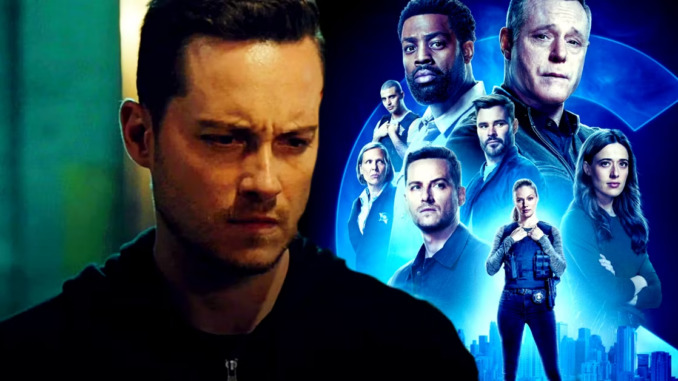
The corridors of the 21st District have felt significantly emptier since the departure of Detective Jay Halstead, a character who served as the moral compass of Chicago P.D. for nearly a decade. When the news of his exit first broke, it sent a shockwave through the loyal fanbase of the One Chicago franchise. For years, Halstead was not just a partner or a soldier; he was the bridge between the grit of the streets and the humanity required to survive them. As fans continue to process his absence, the question remains: was this truly a final goodbye, or is there a flicker of hope for his return?
To understand the weight of Halstead’s exit, one must look at his trajectory within the Intelligence Unit. From his early days as a reliable field partner to his transformation into a seasoned detective, Halstead was defined by his unwavering integrity. His partnership with Hailey Upton and his complicated, often strained dynamic with Sergeant Hank Voight created some of the most compelling television in the procedural genre. Halstead was frequently the voice of reason, often standing as the only person willing to challenge Voight’s darker, extralegal methods. His departure left a vacuum in the team, fundamentally shifting the power balance within the unit and forcing characters like Upton to navigate a new, lonelier reality.
The narrative surrounding his exit was as character-driven as it was tragic. Rather than a clean, happy ending, the writers opted for a path that felt hauntingly realistic. His decision to leave for the Army was not a betrayal of his team, but a return to his roots—a desperate attempt to find the clarity and purpose he felt he was losing amidst the corruption and moral decay of Chicago. This choice underscored the central theme of the entire One Chicago universe: that the job takes a toll, and sometimes, the only way to save yourself is to walk away from the very thing you dedicated your life to protecting.
Many fans have spent the subsequent seasons analyzing every mention of his name, hoping for a guest appearance or a surprise return. In the world of television, exits are rarely permanent, but Halstead’s departure felt uniquely definitive. It signaled an evolution for Chicago P.D., a pivot toward a grittier, more ensemble-focused storytelling style where no character is safe and every departure leaves a permanent scar. His absence has forced the other members of the Intelligence Unit to step up, take on more responsibility, and face their own demons without their former anchor to hold them steady.
The emotional impact of his exit is a testament to the strength of the character development within the franchise. It is rare for a procedural drama to cultivate such a deep, visceral connection between a character and an audience. Viewers did not just watch Halstead; they grew with him. They felt his frustrations, celebrated his triumphs, and mourned his losses. When he finally turned in his badge, it felt as though a chapter of the show had closed forever, marking the end of an era that began with the show’s pilot.
While rumors of a comeback occasionally circulate on social media, the current reality of the show points toward a future without him. Chicago P.D. has proven it can survive—and even thrive—by leaning into the void left behind, using the memory of his character to fuel the growth of those who remained. His exit serves as a poignant reminder that even the most heroic figures are subject to the pressures of their environment. Whether he eventually returns for a cameo or remains a legend of the past, Jay Halstead’s legacy is firmly cemented in the DNA of the 21st District. He remains a symbol of the struggle to stay righteous in a city that often demands you compromise your soul. For now, the streets of Chicago move on, but the shadow of Detective Halstead continues to loom large, serving as a reminder of the price paid by those who walk the thin blue line.