
Contents
A Television Era Defined by Laughter and Simplicity
The 1960s marked a transformative period in American television, one where audiences sought comfort, humor, and familiarity amid a rapidly changing social landscape. As cultural shifts swept across the nation—from civil rights movements to evolving family dynamics—television became both an escape and a reflection of American life. Among the many genres that flourished during this decade, backwoods comedy emerged as a particularly beloved form of entertainment. At the heart of this trend stood The Beverly Hillbillies, a show that not only captured the imagination of millions but also helped define an entire era of storytelling.
The Rise of Backwoods Comedy
Backwoods comedy, often characterized by its portrayal of rural characters navigating modern or urban environments, struck a unique chord with audiences. These shows typically featured folksy humor, exaggerated cultural contrasts, and themes of innocence meeting sophistication. The premise was simple yet effective: take a group of country dwellers, place them in unfamiliar surroundings, and let the comedic misunderstandings unfold.
In a time when many Americans were moving from rural areas to cities, this genre resonated deeply. It allowed viewers to laugh at both the simplicity of rural life and the perceived absurdities of urban culture. The humor was rarely mean-spirited; instead, it celebrated the charm and resilience of its characters, often portraying them as morally grounded despite their lack of worldly knowledge.
The Beverly Hillbillies: A Cultural Phenomenon
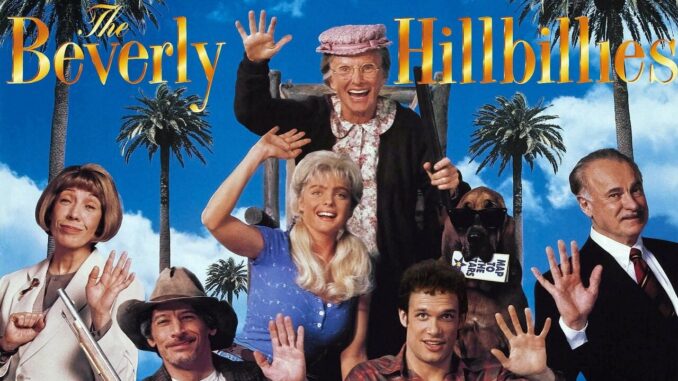
Debuting in 1962, The Beverly Hillbillies quickly became one of the most popular television shows of its time. The story followed the Clampett family, who struck oil on their land and suddenly found themselves immensely wealthy. With newfound riches, they moved to Beverly Hills, California—a setting that could not have been more different from their rural roots.
The show’s brilliance lay in its juxtaposition of two vastly different worlds. The Clampetts, with their homespun wisdom and unpretentious values, often outshined their sophisticated neighbors, who were frequently portrayed as shallow or overly concerned with appearances. This inversion of expectations added depth to the comedy, making it more than just a series of jokes—it became a subtle commentary on class, culture, and authenticity.
Audiences were drawn to the characters’ sincerity. Jed Clampett’s steady leadership, Granny’s fiery personality, and Jethro’s endearing cluelessness created a dynamic that felt both exaggerated and relatable. Week after week, viewers tuned in not just for laughs, but for the comforting predictability of characters who remained true to themselves regardless of their surroundings.
A Wave of Similar Hits
The success of The Beverly Hillbillies paved the way for a wave of similar shows that embraced the backwoods comedy formula. Series like Green Acres and Petticoat Junction expanded on the theme, each offering its own twist on rural life and cultural contrast.
Green Acres, for example, flipped the premise by focusing on a wealthy couple who voluntarily moved to the countryside, highlighting the absurdities of rural living through a more surreal comedic lens. Meanwhile, Petticoat Junction centered on a rural hotel run by a widowed mother and her daughters, emphasizing community and family bonds.
Together, these shows created a shared television universe that celebrated rural America while gently poking fun at its quirks. They reinforced the idea that humor could be found in everyday life, regardless of setting.
Why Audiences Loved It
The appeal of backwoods comedies in the 1960s can be attributed to several factors. First and foremost was their accessibility. The humor was straightforward and easy to understand, making these shows suitable for viewers of all ages. Families could gather around the television and enjoy the same program together, a rarity in today’s fragmented media landscape.
Additionally, these shows offered a sense of nostalgia, even for viewers who had never lived in rural areas. They წარმოდ an idealized version of country life—one free from the pressures and complexities of modern society. In doing so, they provided a comforting escape from the uncertainties of the real world.
There was also an element of wish fulfillment. The Clampetts’ sudden rise to wealth tapped into a universal fantasy, while their ability to remain grounded served as a reassuring reminder that money did not have to change who you were.
Criticism and Changing Tastes
Despite their popularity, backwoods comedies were not without their critics. Some argued that these shows relied too heavily on stereotypes, portraying rural characters as naïve or uneducated. Others felt that the humor was overly simplistic, lacking the sophistication of emerging television genres.
By the late 1960s and early 1970s, audience tastes began to shift. Viewers increasingly gravitated toward shows that addressed contemporary social issues with greater realism and nuance. As a result, many backwoods comedies were eventually canceled, making way for a new era of television programming.
However, this decline did not diminish their impact. On the contrary, it highlighted how effectively these shows had captured the spirit of their time. They served as a bridge between the early days of television and the more complex narratives that would follow.
A Lasting Legacy
Today, The Beverly Hillbillies and its contemporaries are remembered as iconic examples of 1960s television. Their influence can still be seen in modern sitcoms that explore cultural differences and fish-out-of-water scenarios. While the settings and characters may have evolved, the core idea remains the same: humor often arises from the clash of perspectives.
More importantly, these shows left behind a legacy of warmth and inclusivity. They reminded audiences that laughter can bring people together, even when their backgrounds and experiences differ greatly. In a decade marked by division and change, that message was both timely and timeless.
Conclusion
The 1960s gave viewers a rich array of backwoods comedy hits, with The Beverly Hillbillies leading the charge. Through its memorable characters, clever storytelling, and heartfelt humor, the show captured the essence of an era while leaving a lasting mark on television history. Though tastes have evolved and new genres have emerged, the charm of these classic comedies continues to endure, offering a glimpse into a simpler time when laughter was the ultimate unifier.