
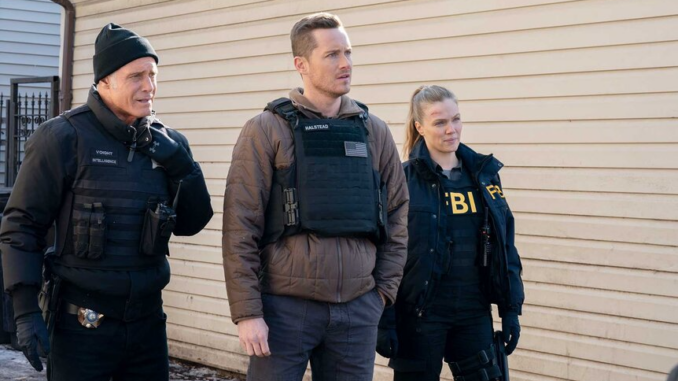
For over a decade, Chicago P.D. has established itself as the grittiest pillar of the One Chicago franchise, trading the polished heroism of firehouses and hospitals for the morally gray corridors of the Intelligence Unit. While every season delivers its share of high-stakes raids and emotional standoffs, a recent installment has pushed the boundaries of televised tension, centering on an undercover operation that spiraled into a nightmare. This episode didn’t just showcase the physical dangers of police work; it stripped away the tactical armor of our favorite detectives, leaving them vulnerable in a way that has redefined the stakes for the entire series. When an undercover assignment goes this catastrophically wrong, the fallout isn’t just measured in shell casings, but in the psychological scars left on the unit.
The intensity began with a seemingly standard deep-cover infiltration into a high-level narcotics ring. Adam Ruzek, known for his impulsive bravery and ability to blend into the shadows of the Chicago underworld, was tasked with the lead. However, the narrative quickly shifted from a calculated game of cat and mouse to a desperate fight for survival. The brilliance of this episode lay in its claustrophobic direction; the camera stayed tight on Ruzek’s face as he realized his cover was blown in a room filled with armed men and no immediate exit. The absence of a background score during the most pivotal moments forced the audience to sit in the heavy, suffocating silence of a man who knows his backup is minutes away when he only has seconds.
Back at the District, the atmosphere was equally electric. Sergeant Hank Voight, a man usually defined by his cold, calculated responses to crisis, displayed a rare flick of desperation. The Intelligence Unit operates as a family, and seeing the team scramble to locate a brother in distress added a layer of emotional urgency that permeated every frame. Kevin Atwater and Hailey Upton led the charge on the tech side, their fingers flying across keyboards as they tried to triangulate a signal that kept dropping. This parallel narrative between Ruzek’s physical peril and the team’s frantic digital hunt created a dual-layered tension that made it impossible to look away. It reminded us that for all the technology at their disposal, the life of an undercover officer often hangs on a thread of pure luck.
The turning point of the episode arrived with a brutal confrontation that tested Ruzek’s limits both as a cop and as a human being. Forced to make a split-second decision that compromised his moral standing to maintain the safety of an innocent bystander, Ruzek was pushed into a dark corner. This is where Chicago P.D. excels; it doesn’t offer easy outs. The violence was jarring and sudden, reflecting the reality of the streets where there are no choreographed fights, only the raw instinct to stay alive. By the time the tactical team breached the location, the damage was already done. The rescue wasn’t a moment of triumph, but a somber relief shadowed by the trauma of what had transpired in those missing hours.
Furthermore, the fallout of this botched operation has sent shockwaves through the 21st District. In the episodes following this intense peak, we have seen a different version of Adam Ruzek—one who is more hesitant, more haunted, and struggling with the weight of the choices he made under duress. His relationship with Kim Burgess, which has always been the emotional heartbeat of the show, is being tested yet again as she tries to help him navigate the aftershocks of the mission. This undercover failure has proven that the Intelligence Unit is not invincible. It has humanized these elite detectives, showing that even the best-laid plans can crumble when faced with the unpredictable chaos of the criminal element.
Social media has been a whirlwind of activity since the episode aired, with fans praising Patrick John Flueger’s powerhouse performance. Many are calling it the definitive episode of the modern era, citing its realistic portrayal of the “burn” that comes with long-term undercover work. It has sparked a broader conversation about the toll this job takes on the mental health of first responders, a theme that showrunner Gwen Sigan has been leaning into with increasing depth. By stripping away the procedural tropes and focusing on the raw, ugly reality of a mission gone sideways, the show has revitalized its connection with an audience that craves authenticity over easy resolutions.
As the season progresses, the memory of this undercover disaster continues to loom over every new briefing. The Intelligence Unit is more cautious now, the air in the squad room a bit heavier with the knowledge of how close they came to losing one of their own. Chicago P.D. has always been about the thin blue line, but this episode showed just how easily that line can be erased. It was a masterclass in suspense, a reminder of why this show remains a titan of network television, and a chilling promise that in the city of Chicago, the next heart-pounding crisis is always just around the corner.